When a whole city water system loses pressure and then gets it back, the risky moment is often the second one. In Copperas Cove, the August 2026 outage showed why water heaters, open taps and supply hoses deserve a check as soon as service returns.
Key takeaways
- The city told residents who lost water service to turn off electric water heaters and turn them back on only after service returned and the tank refilled.
- Taps left open during an outage can run unseen when pressure returns, so every faucet, tub and hose bib should be checked.
- Supply hoses to washers, dishwashers and ice makers are the next place to look for drips and spray.
- A leak found early is a small cleanup, while a leak found after hours behind a wall is a drying job.
- Boil water notices and water restrictions change how water is used, not how a leak is handled.
What happened in Copperas Cove in August 2026
The outage began with a pipe failure and grew into a system wide problem. The city's own notices tell the story in order.
The details below come from those notices. They stop where the notices stop.
- August 16: a water main break and a water main valve break at Golf Course Road and Texas Street, both repaired by the early morning of August 17.
- The valve break disrupted service across the whole water system.
- August 17: the mayor declared a local disaster and ordered Stage 4C restrictions, the highest stage the city has.
- After the first repair another section of pipe burst and an air lock slowed recovery, and the city handed out drinking and flushing water at the library and civic center.
- The Texas Commission on Environmental Quality required a boil water notice for the Central, Mountain Top and Southwest pressure planes, with a two minute rolling boil.
- By August 19: restrictions had dropped from Stage 4A to voluntary Stage 1, and the boil water notice was still in effect that day.
Why the moment pressure returns matters
While water is off, nobody notices what was left open. A tap, a tub, a hose bib or a loose supply fitting can sit idle until pressure comes back, then run or spray.
Air trapped in the pipes can make faucets cough and sputter before the flow settles. A faucet left open at that moment runs onto a floor, often in a room nobody is in.
- Taps and tubs left open when the water stopped
- Toilet tanks and supply valves that were moved during the outage
- Hoses that were disconnected or loosened to drain water
- Appliances that were running when the pressure dropped
The water heater: off first, on only after the tank refills
A water heater is the largest single store of water in most homes, and it is the one appliance the city named in its advice. The order of the steps matters.
What the city advised
The city told residents who lost water service to turn off electric water heaters. It said to turn them back on only after service returned and the tank refilled.
Why the order matters
An electric heating element is built to sit in water. Powering it on in an empty or half empty tank can damage the element and the tank.
Gas water heaters have their own restart steps from the maker, and the city advice named electric units.
If water shows at the base
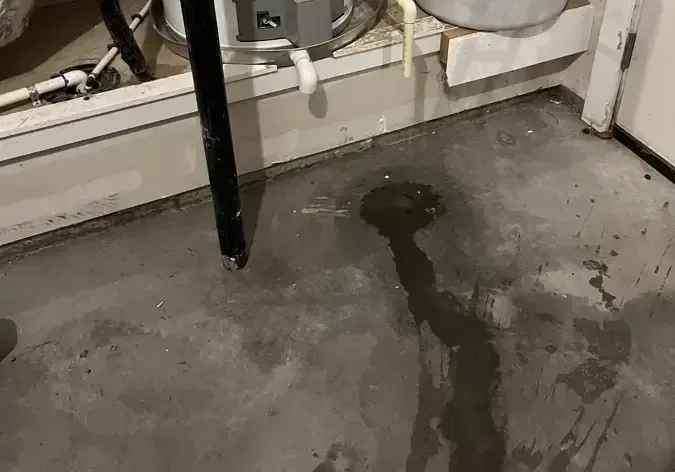
Water at the base of the tank can mean a failed fitting, a stuck relief valve or a tank that has given out. Shut off the supply valve to the heater and the power at the breaker, then call for help.
The restoration team handles the extraction and drying through water heater leak cleanup, and a plumber handles the repair or replacement.
- Shut off the cold water supply valve above the heater
- Switch off the breaker for an electric unit
- Keep stored items and cardboard away from the wet area
A walk through checklist when service returns
A slow walk through the house after service returns takes a short time and catches most problems while they are still small.
Doing it with a second person makes it quicker, since one can watch the meter while the other checks rooms.
- Check every faucet, tub and shower, including the ones in unused rooms.
- Look under each sink for drips at the supply hoses and shutoff valves.
- Look behind each toilet at the supply hose and the floor.
- Check the washer hoses, the dishwasher and the ice maker supply.
- Walk the outside hose bibs and any irrigation valves.
- Watch the water meter with every fixture off to see if it keeps moving.
- Look at ceilings below an attic water heater or air handler for new stains.
If a leak turns up
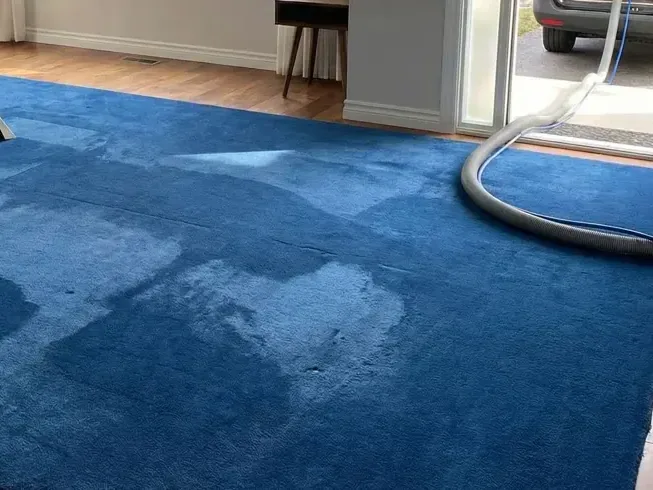
A leak found right away is a towel, a bucket and a plumber. A leak found hours later can be a soaked wall bay and a wet floor.
For a washer hose, a dishwasher supply hose or a toilet supply, appliance and supply hose leak cleanup covers the extraction and drying that follow the repair.
- Close the shutoff valve at the fixture, or the main valve if there is none.
- Photograph the source and the wet areas.
- Lift furniture legs and rugs out of the water.
- Leave wet drywall and flooring in place until the drying team has checked it.
- Do not wait for the boil water notice or the restrictions to end before dealing with a leak.
Planning for the next outage
Outages and pressure swings happen to every water system, and the plan is the same each time. A few minutes of thought once saves a floor later.
Homes across Copperas Cove can use one routine for every outage, boil notice or restriction, and the nearby water heater leak cleanup response in the wider area follows the same steps.
- Know where the main shutoff, the heater shutoff and the heater breaker are.
- Keep a note on the heater with the city's advice about electric units.
- Close tub and sink stoppers or taps firmly when water goes off.
- After service returns, run the walk through checklist before leaving the house.
Questions
Should a water heater be turned off when the water goes out?
For electric units, the city told residents who lost water service to turn the heater off and turn it back on only after service returned and the tank refilled. Gas units follow the maker's restart steps.
How can a hidden leak be spotted after service returns?
Watch the water meter with every fixture off. If it keeps moving, water is running somewhere. New ceiling stains and damp cabinet bases are other clues.
Why do faucets sputter when water returns?
Air trapped in the pipes escapes through the faucets before the flow settles. A faucet that was left open can run onto the floor while this happens.
What if water appears under the water heater?
Shut off the cold water supply to the heater and the power to it, move stored items away from the wet area and have the leak checked. The restoration team removes the water and dries the floor.
Does a boil water notice change how a leak is handled?
No. A boil water notice affects how water is used for drinking and cooking. A leak is still handled by shutting off the water, extracting it and drying the structure.