Water Damage Restoration Harker Heights, TX
A leak behind a wall or creek water in a garage can soak a Harker Heights home quickly. The extraction crew removes the water, maps what stayed wet and dries the structure to verified readings.
(888) 926-4485Get a Harker Heights drying plan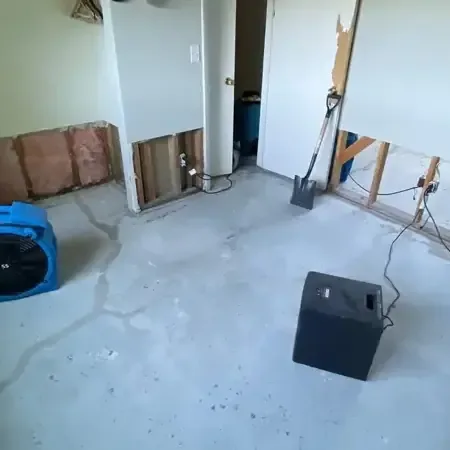
Water damage services for local homes and businesses
Each kind of loss needs its own removal method, drying plan and safety steps, from a small appliance leak to creek water or a sewage backup.
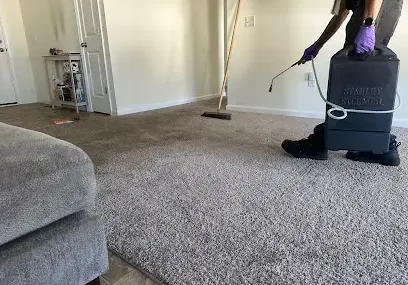 Stop 01Water Extraction and RemovalExtractors pull standing water from carpet, tile and hardwood before it reaches the subfloor and walls.Read the service
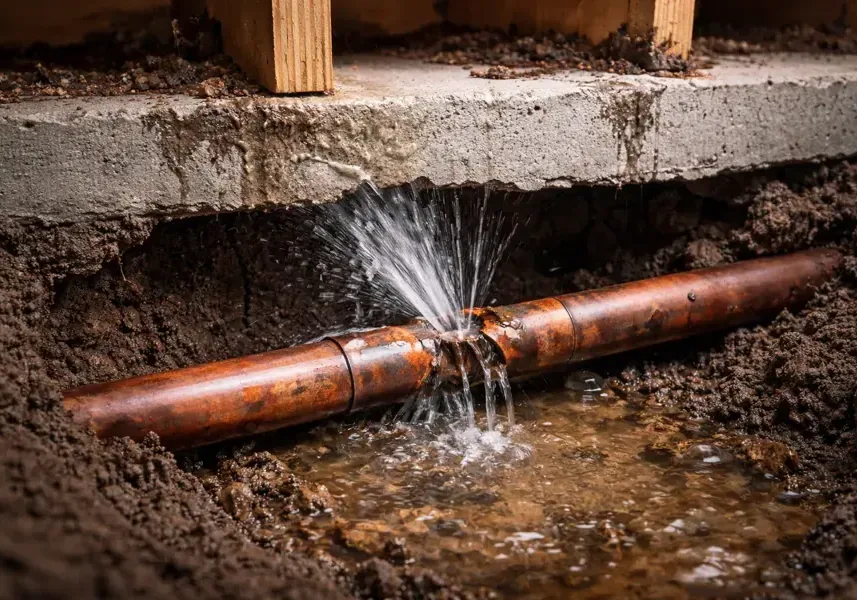 Stop 02Slab Leak Water DamageWater escaping from a supply pipe under the foundation wets floors from below, so mapping comes first.Read the service
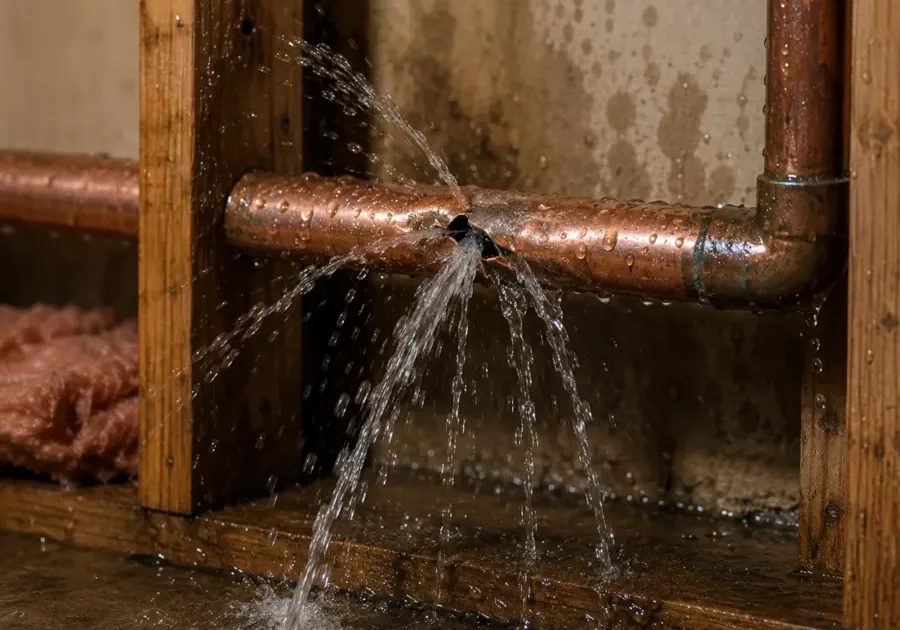 Stop 03Burst Pipe Water DamageA split supply pipe floods fast, so the crew stops the spread and dries opened wall cavities.Read the service
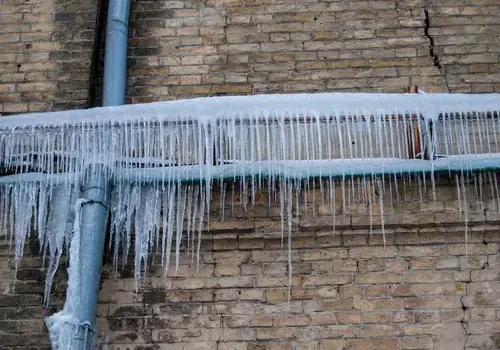 Stop 04Frozen Pipe Water DamagePipes that split in a hard freeze often leak after the thaw, sometimes inside walls or attics.Read the service
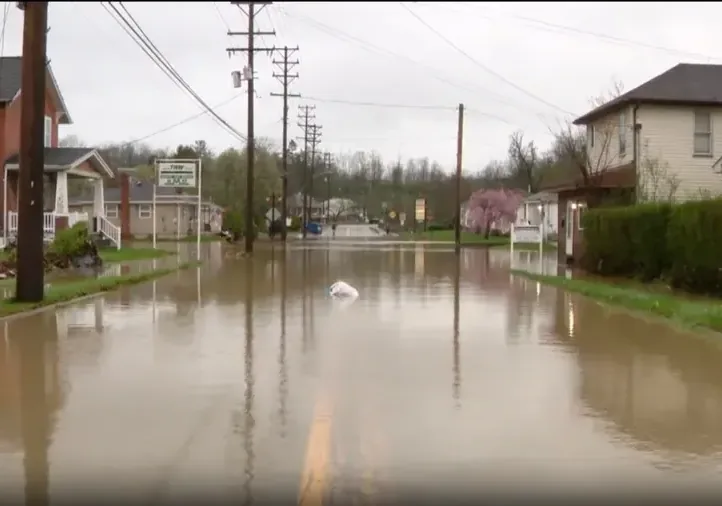 Stop 05Flash Flood and Creek Water CleanupCreek and storm water carries silt and bacteria, so removal and disinfecting come before drying.Read the service
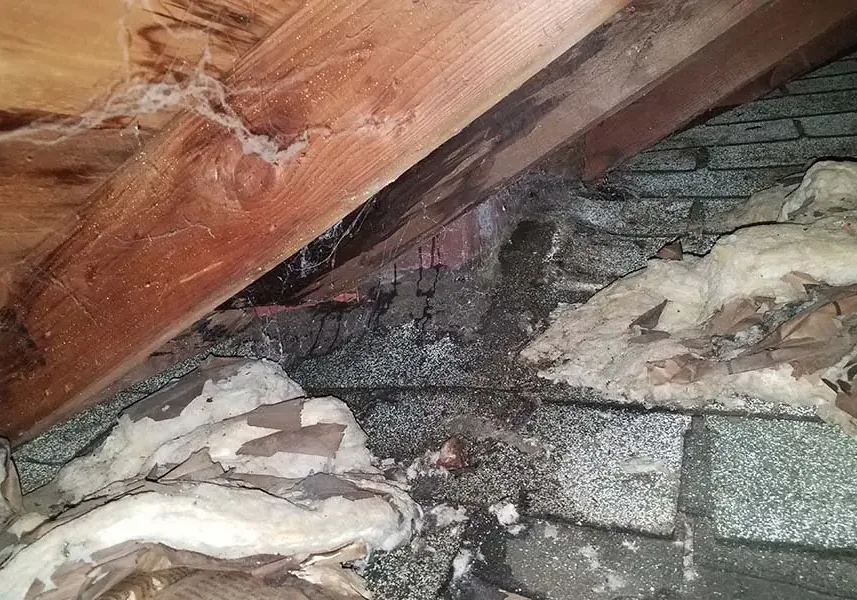 Stop 06Roof Leak Water DamageRain through a failed roof soaks attic insulation and ceilings long before a stain shows.Read the service
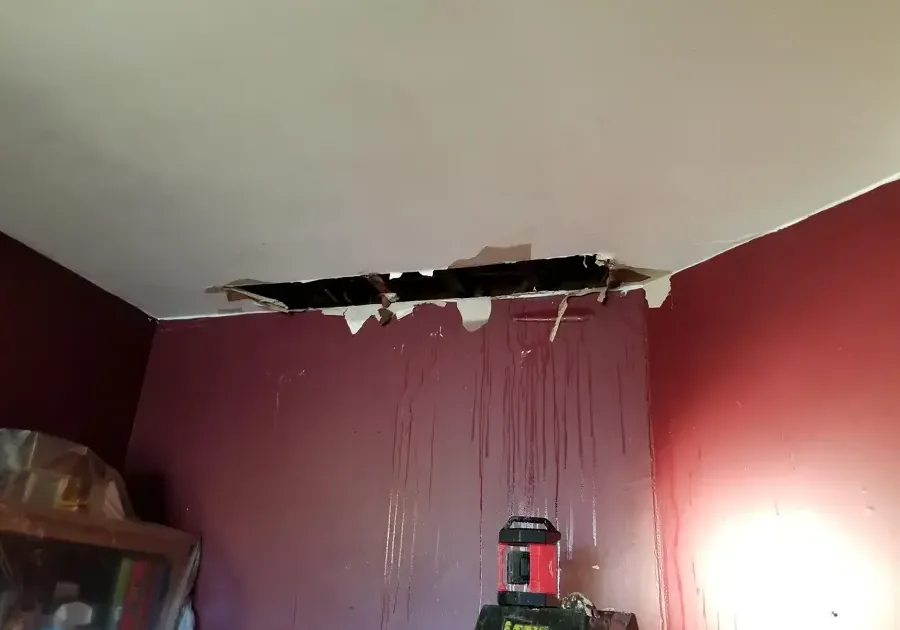 Stop 07Ceiling Leak Water DamageStains, sagging drywall and drips point to a source above, which the team finds before drying.Read the service
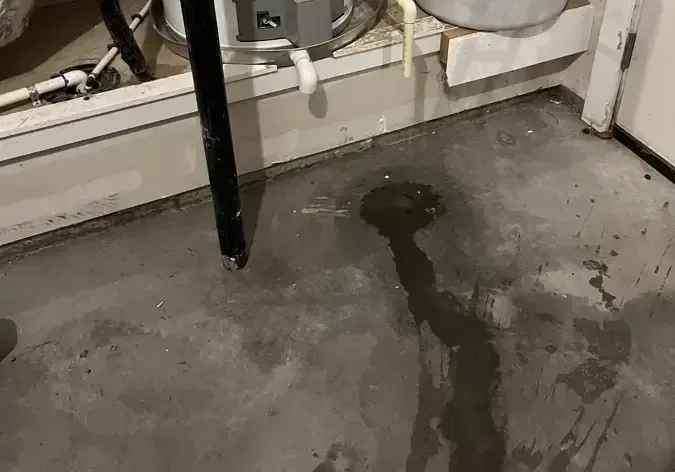 Stop 08Water Heater Leak CleanupA failed tank in a garage, closet or attic can empty fast, so nearby materials get checked.Read the service
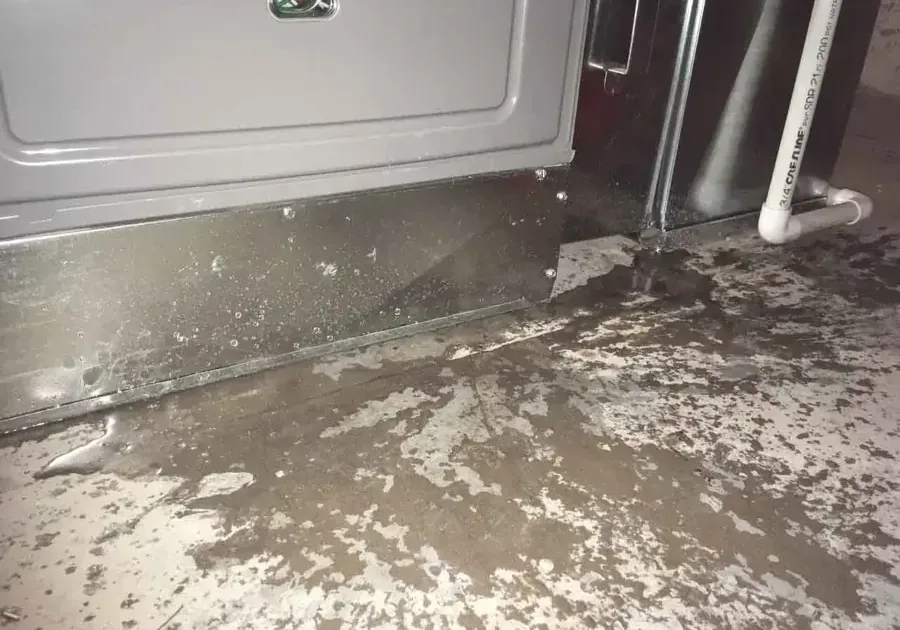 Stop 09AC Condensate Leak Water DamageA clogged condensate drain can overflow into an attic or closet during long, humid summers.Read the service
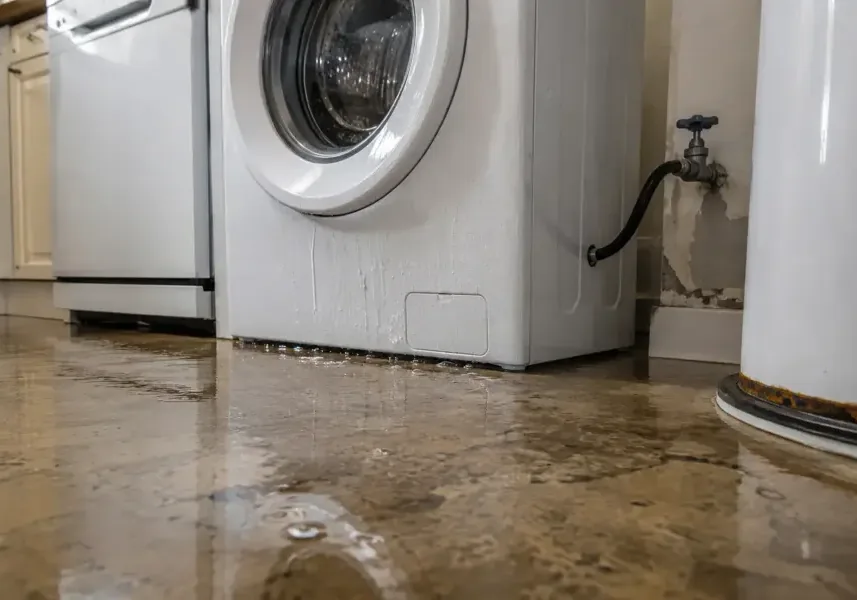 Stop 10Appliance and Supply Hose LeaksWasher hoses and dishwasher supply pipes fail quietly, so the team traces water under cabinets.Read the service
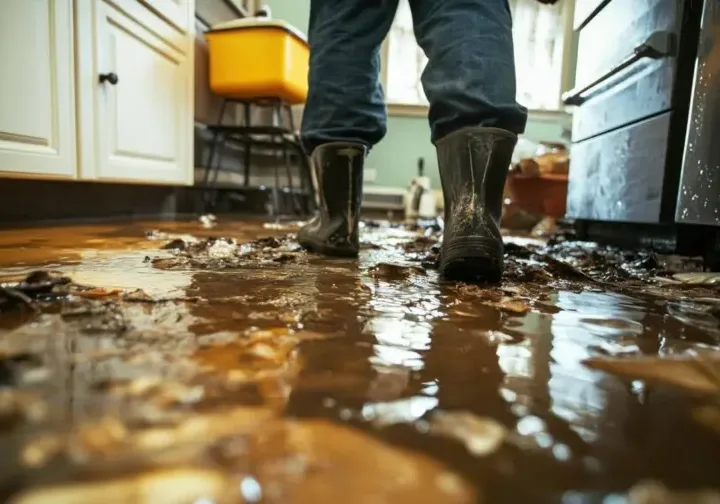 Stop 11Sewage Backup CleanupBacked-up drains bring contaminated water indoors, so containment and protective gear come first.Read the service
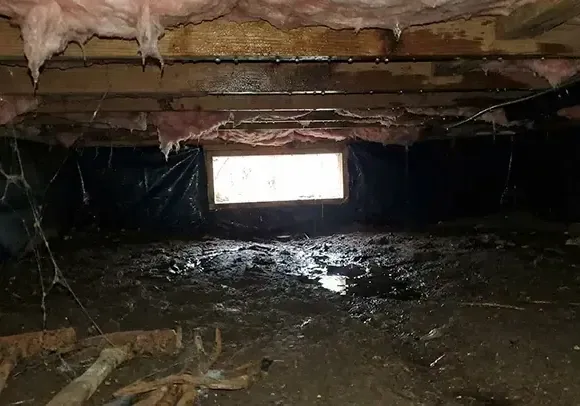 Stop 12Crawl Space Water RemovalStanding water under a floor needs pumping, vapor barrier checks and drying of the framing above.Read the service
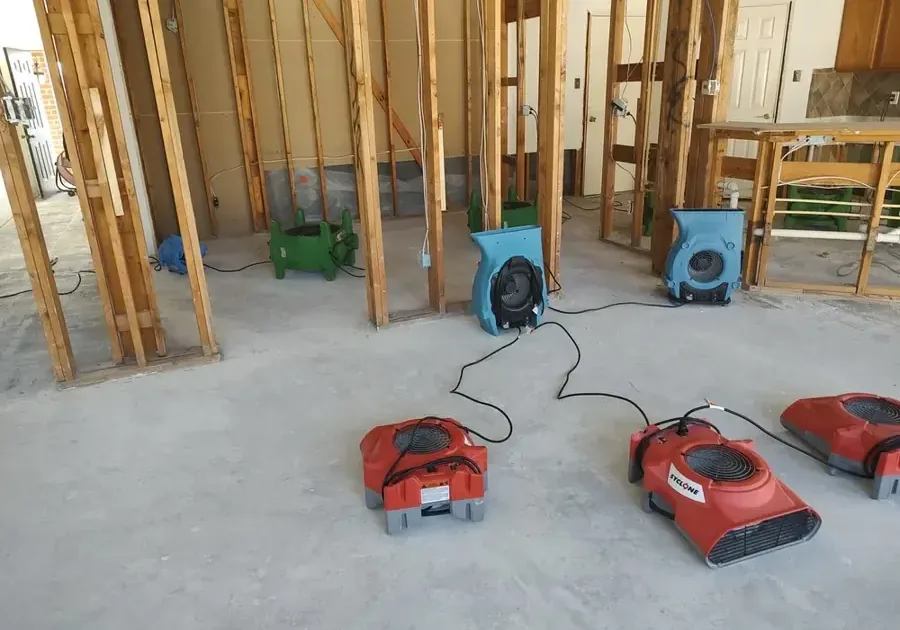 Stop 13Structural Drying and DehumidificationHumid air makes open windows a weak drying tool, so controlled dehumidification does the work.Read the service
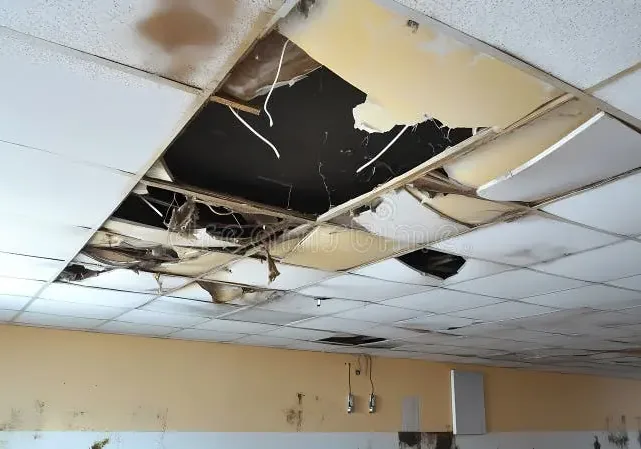 Stop 14Commercial Water DamageShops, clinics and offices need phased drying that limits downtime and documents conditions for adjusters.Read the service
What to do first when water gets into a home
A few calm actions limit the spread of water and keep the evidence a claim will need.
- 1Stop the sourceClose the main shutoff or the fixture valve, because every extra minute of flow wets more drywall, flooring and insulation.
- 2Cut power to wet areasWater near outlets and cords is a shock hazard, so breakers for the affected rooms should be switched off first.
- 3Photograph everythingWide and close photos of the damage, the belongings and the source support the claim before anything is moved.
- 4Lift what can be liftedRugs, books, electronics and small furniture come off wet floors to prevent staining and swelling.
- 5Call for extractionStanding water and wet materials need equipment, and each day of delay raises the chance of lasting damage.
How the drying team returns a structure to dry
Drying follows a measured sequence, with readings at each stage so nobody has to guess when the structure is dry.
- 1
Moisture mapping
Meters and thermal cameras locate wet drywall, framing and subfloor, and those readings become the baseline for the whole job.
- 2
Extraction
Pumps and extractors remove standing and bound water first, because evaporation alone is too slow for soaked pad and carpet.
- 3
Controlled drying
Air movers push dry air across surfaces while LGR dehumidifiers pull moisture out of a closed room.
- 4
Dry verification
Daily readings continue until each material returns to its dry standard, and the logs document that result.
Equipment that goes on a typical loss
- Truck-mounted water extractors
- LGR dehumidifiers
- Axial air movers
- Thermal cameras
- Moisture meters
- HEPA air scrubbers
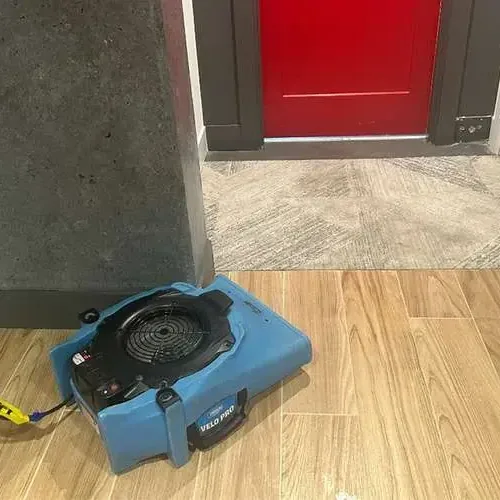
Fast drying keeps a small leak from becoming a rebuild
Water travels through drywall, insulation and flooring faster than it shows on the surface, and in warm Harker Heights weather damp materials can start growing mold after 24 to 48 hours.
Local conditions
Humid summers, hard freezes and heavy rain each leave different damage, and the plan follows the cause.
Measured results
Moisture readings are logged at each visit, so completion is shown by numbers instead of a feeling.
Claim-ready records
Photos, readings and equipment logs are organized for the adjuster and kept with the job.
Right-sized equipment
Gear is matched to the room and the material, so a closet leak does not get a flood response.
Rain, creeks and cold snaps
Creeks and tributaries across the city drain to Nolan Creek, and a heavy rain on August 19, 2022 put high water on area roads and caused some power outages.
- Weekend storms in May 2024 left the city and neighboring Nolanville cleaning up, and by mid-May the area had 15.82 inches of rain for the year.
- Winter Storm Uri in February 2021 brought a boil water notice and street damage across the city.
- A winter storm in January 2026 led the city to open a warming center at VFW Post 3892.
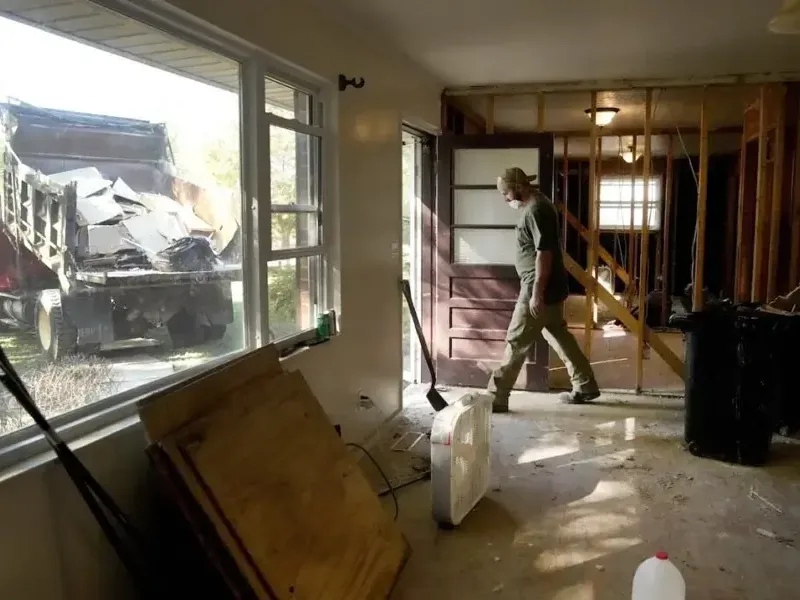
What does water damage cleanup cost in Harker Heights?
Most residential jobs run from $1,200 for a single room to $20,000 or more, driven by how many rooms are wet, whether the water is clean or contaminated, and how long materials stayed saturated.
One room, clean water
- Pump-out and extraction
- Daily moisture readings
- Air movers and dehumidifier
Several rooms or a floor
- Wet drywall and pad removed
- Wall cavities dried
- Extra dehumidifiers running
Category 3 or flood water
- Containment and protective gear
- Porous materials discarded
- Disinfecting before drying
Ranges shift with scope, materials and access, and the final figure follows the moisture map and the drying log.
Documenting a water claim
Adjusters decide coverage from the policy, the cause and the evidence, so organized records keep every step of the claim moving smoothly.
- Wide and close photos of the source and damage
- A written list of affected belongings
- Moisture readings and equipment logs from the drying team
- Receipts for emergency repairs and supplies
- Notes on when the water was first noticed
What the policy may exclude
Policies treat sudden pipe failures, slow seepage and rising flood water differently, so the cause matters as much as the damage. Reading the water section of the policy before the adjuster visits avoids surprises.
Homeowners coverage and flood coverage are separate products with separate rules and separate claims.
Clean, gray and black water get different handling
The category sets the safety steps, which materials can be dried and which must be removed, and how the work is documented.
Category 1: clean water
A supply pipe or a slab leak releases clean water at first, though it degrades the longer it sits in materials.
Slab leak water damageCategory 2: gray water
Washer discharge, dishwasher overflow and some appliance leaks carry contaminants that can cause illness if left.
Appliance leak cleanupCategory 3: black water
Sewage and creek or flood water carry pathogens, so porous materials are removed and the area is disinfected.
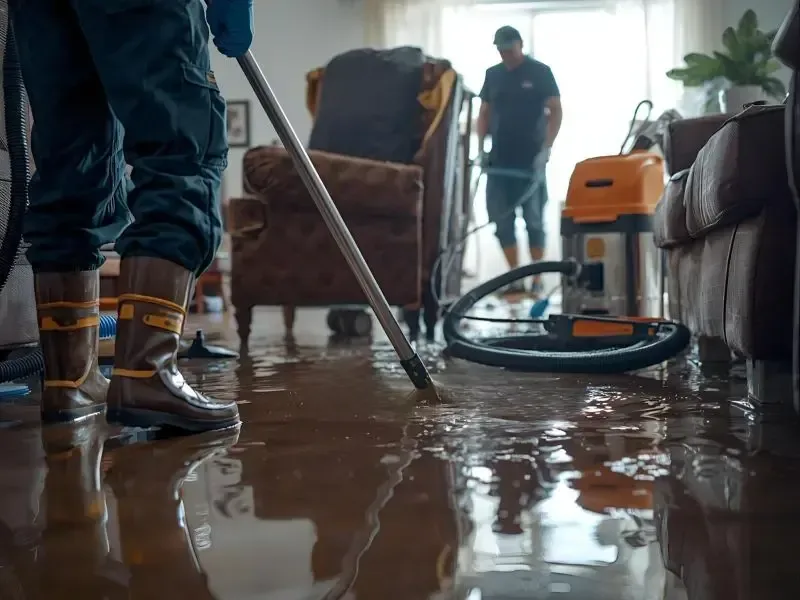
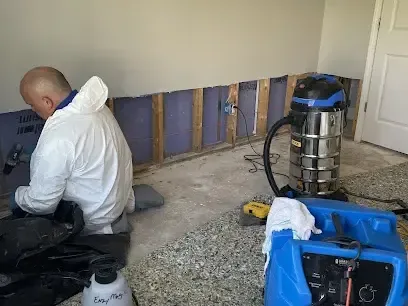
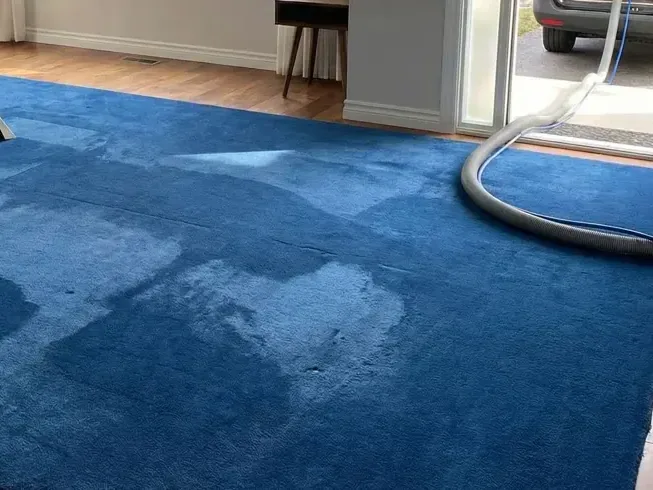
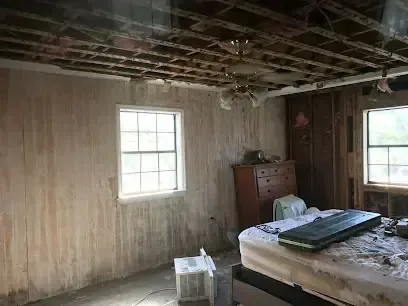
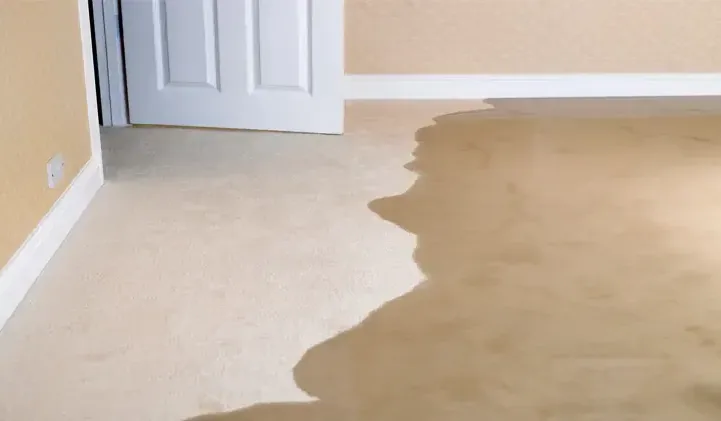
Sewage backup cleanupExtraction and drying work in progress

Areas served across Harker Heights
The response team works across the whole city, from the Interstate 14 corridor to the streets near Stillhouse Lake Road.
Homes, shops and medical offices alike
Killeen sits to the west and Nolanville to the east, and the city has its own water and sewer systems, so the crew plans each job around the building's real water source.
(888) 926-4485Ask if a street is coveredSouthern hills
Cedarbrook Ridge and the Stillhouse Lake Road area, where city limits reach hills overlooking Stillhouse Hollow Lake.
Veterans Memorial Boulevard and Beeline Drive
Streets crossed by creek tributaries, plus the Beeline Drive stretch where old sewer and water pipes were slated for replacement.
Indian Trail and Comanche Gap
Residential streets where the city listed drainage projects in 2022, including the Indian Trail Drainage Project.
Market Heights and medical offices
Retail stores, Seton Medical Center and ClearSky Rehab Hospital, where commercial drying plans keep operations moving.
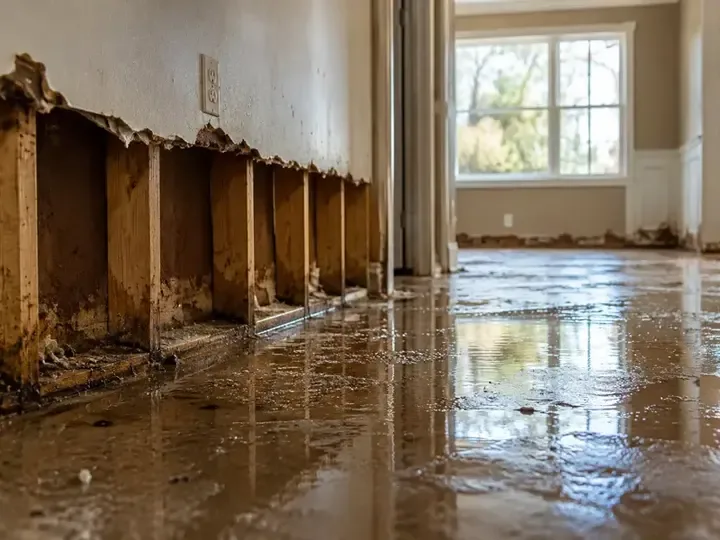
Water risks that shape claims in Harker Heights
The city has creeks that drain toward Nolan Creek and a humid subtropical climate with a record of hard freezes, so losses here come from rain, cold snaps, interior plumbing and sewer pipes.
- Creek and tributary water. A 2015 flood plain study counted 9 streets and 34 structures along Trimmier Creek. Those counts are not current FEMA maps.
- Hard freezes. Winter Storm Uri in February 2021 brought a boil water notice and street damage, and the January 2026 storm kept non-essential city offices closed until noon on January 27.
- Heavy rain and storms. High water covered area roads on August 19, 2022, and weekend storms in May 2024 required cleanup, so roofs and yard drainage are tested by every wet season.
- Sewer pipes and lift stations. An old vitrified clay sewer pipe on Beeline Drive was slated for replacement with PVC, and the Rummel Lift Station was expanded for about 1,000 more homes.
Questions about water damage here
How fast should water be removed after a leak?
As soon as possible. Standing water soaks into drywall, pad and framing quickly, and damp materials can begin growing mold after 24 to 48 hours, so extraction and drying should start at once.
Does homeowners insurance cover a burst pipe?
Many policies cover a burst pipe and other sudden failures, though coverage depends on the cause, the policy wording and any exclusions, so the adjuster should see photos, readings and the drying log.
What does a boil water notice mean for a flooded home?
A notice covers drinking and cooking water. It does not by itself make water inside a house contaminated, which depends on the source. The city has issued several, including one in September 2026 for Walnut Circle, Lakeview and Apache Drive.
Is creek water handled differently from a leak?
Yes. Creek and storm water is treated as Category 3, so flood water cleanup begins with removal, and drying begins only after the contaminated materials are out.
What happens first with a sewage backup?
Stay out of the area and keep children and pets away. The mitigation team handling sewage backup cleanup contains the space, removes soaked materials and disinfects before any drying equipment is set.
Can a frozen pipe leak after the thaw?
Yes. Ice can split a pipe without any water showing until it thaws, so a hard freeze like Winter Storm Uri can be followed by leaks inside walls or attics.
How long does structural drying take?
Most jobs run several days, depending on materials, humidity and how deep the water went. The crew keeps drying until daily readings match dry standards instead of following a fixed schedule.
Are open windows enough to dry a room in humid weather?
Usually not. Humid subtropical air carries moisture that slows evaporation, so dehumidifiers and air movers in a closed room dry materials far more reliably than open windows.
Can a business stay open during drying?
Often, with containment and phased work. Retail, medical and office spaces each need a plan that protects operations, inventory and records.
Does the crew work nights and weekends?
Round-the-clock dispatch covers nights, weekends and holidays, because water damage rarely waits for business hours.
Wet floors cannot wait
The drying team is ready to stop the spread, extract the water and start a documented dry-down for homes and businesses across Harker Heights.
(888) 926-4485Call for a dry-down planBelton Water Damage Restoration
Harker Heights, TX · Bell County
Open 24 hours, 7 days a week