Water Extraction in Harker Heights, TX
Standing water in carpet, tile or hardwood keeps spreading into the subfloor and lower walls until it is pulled out. The extraction crew removes it, then maps and dries what stayed wet.
(888) 926-4485Pump out a flooded floor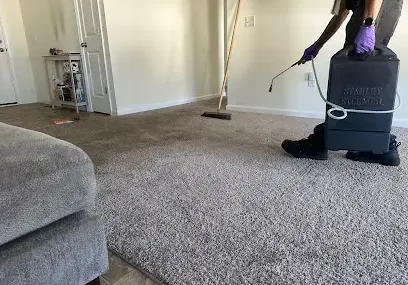
First steps for water extraction and removal
- 1Find the sourceClosing the valve or stopping the leak keeps the extraction crew from chasing water that is still coming in.
- 2Photograph the damagePictures taken before any pumping show the adjuster exactly how far the water spread.
- 3Remove small itemsRugs, boxes and furniture legs left in water bleed color and stain the floor beneath them.
- 4Call for extractionTruck-mounted equipment removes what towels and shop vacs leave behind, and a quick start means less to replace.
How water extraction and removal is handled
- 1
Assess and protect
The crew identifies the water category, shields furniture and checks for safety hazards.
- 2
Extract the water
Truck-mounted and portable units remove standing water, working floor by floor and room by room.
- 3
Remove what cannot dry
Saturated pad, damaged baseboards and contaminated materials come out so they cannot hold moisture.
- 4
Map and hand off
Meters record what stayed wet, and those results steer structural drying and the claim file.
What does water extraction and removal cost in Harker Heights, TX?
Extraction for one room of clean water usually runs $400 to $900, while several rooms and Category 3 water cost more because of the removal, protective gear and disinfecting involved.
One clean room
- Extractor passes on carpet and tile
- Pad checked for salvage
- Moisture map begun
Several rooms or a hallway
- Repeated extraction passes
- Soaked pad pulled
- Baseboards checked for wicking
Category 3 water
- Gear and containment
- Carpet and pad removed
- Antimicrobial treatment
These are typical ranges, not a quote. Water category, square footage, material class and how fast drying started move the number most. For a closer planning figure, run the water damage cost calculator.
Extraction is the first real step of any water loss in Harker Heights. Removing standing and absorbed water early shortens drying and keeps the subfloor, baseboards and lower drywall from soaking it up.
How water extraction works
The extraction crew starts with the source and the water category, then picks the right tool. Truck-mounted units clear large volumes, while portable extractors and wands reach closets, stairs and tight rooms.
- Carpet and pad are lifted and judged for salvage
- Hardwood and tile get low-profile extraction passes
- Baseboards are pulled where water wicked behind them
- Subfloor readings confirm what extraction missed
Each pass is followed by a moisture reading, so the crew can tell when a surface is truly clear.
Extraction after heavy rain and creek flooding
Creeks and tributaries across the city drain to Nolan Creek, and the August 19, 2022 storm put high water on area roads. Rain or creek water that gets into a home counts as Category 3, and the crew handles it that way.
Contaminated water is removed first, porous materials come out and surfaces are disinfected before any drying equipment is placed.
What water extraction does not finish
Extraction leaves moisture inside materials, which is why structural drying follows. The page on structural drying covers the dehumidifier phase, and flood water cleanup applies when the water came from outside.
Speed note. Wet carpet pad holds water like a sponge, so pad that stays soaked for long is usually discarded instead of dried.
Water extraction and removal across Harker Heights and nearby towns
Extraction calls run across the city, from the Interstate 14 corridor and Market Heights to homes along Stillhouse Lake Road, Beeline Drive and Indian Trail.
The same service nearby: water extraction and removal in Belton, Killeen, Temple.
Water damage restoration in Harker Heights · every town covered
Water Extraction and Removal questions
Can wet carpet be saved after extraction?
Often yes when the water was clean and the pad is removed or dried quickly. Carpet exposed to sewage or creek water is discarded because it cannot be made safe.
Does the crew use truck-mounted equipment?
Yes for large volumes and several rooms. Portable extractors and wands handle stairs, closets and small spaces where a long hose cannot reach.
How is hardwood extracted?
Low-profile tools pull water from the surface and the gaps between boards, and the floor is then dried with specialized equipment and watched for cupping.
Is extraction the same as drying?
No. Extraction removes liquid water, while drying removes moisture held inside materials, which takes dehumidifiers, air movers and several days of readings.
What if the water came from a creek or storm?
That water is Category 3. Porous materials are removed, surfaces are disinfected and the work follows contamination protocols before drying starts.
Will the crew move furniture?
Light items are lifted or blocked up so extraction can reach the floor, and heavy pieces are checked for water damage before they go back.
Standing water is still soaking in
Each day water sits in pad and subfloor adds to the repair list, so a quick call and a clear plan matter more than tidying up first.
(888) 926-4485Start the pump-outBelton Water Damage Restoration
Harker Heights, TX · Bell County
Open 24 hours, 7 days a week