Water Extraction in Temple, TX
Rain, a failed supply hose or a flooded street all leave standing water that spreads fast. The extraction crew pumps it out and maps every surface that stayed wet.
(888) 926-4485Draw the water off the floor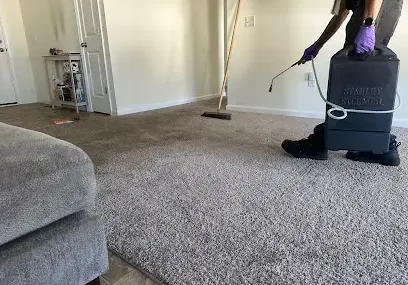
First steps for water extraction and removal
- 1Stop the sourceClose the supply valve or switch off power to wet outlets, and keep everyone off soaked floors.
- 2Lift what you canRaise rugs, furniture feet and electronics onto dry surfaces so the extractor can reach the whole floor.
- 3Photograph the waterTake pictures of depth and damage before anything moves, because the insurance claim starts from them.
- 4Describe the waterTell the crew where it came from and how deep it is, so the right extraction gear goes on the truck.
How water extraction and removal is handled
- 1
Read the water
The crew checks depth, category and every room the water reached before any gear leaves the truck.
- 2
Extract
Truck-mounted units and wands pull the standing water, then carpet and pad are lifted or flagged for removal.
- 3
Open and map
Baseboards come off, lower walls are probed and a moisture map shows what pumping missed.
- 4
Hand off to drying
Dehumidifiers and air movers go in, and daily readings decide when each room is dry.
What does water extraction and removal cost in Temple, TX?
Water extraction runs from $400 to $900 for one room of clean water, rises to $900 to $1,500 across several rooms or a hallway, and reaches $1,500 to $3,500 when the water is Category 3.
One room of clean water
- Truck-mounted pass
- Pad and carpet checked
- Moisture mapping started
Several rooms or a hallway
- Repeated extraction passes
- Soaked pad pulled
- Baseboards inspected
Category 3 water
- Gear and containment
- Carpet and pad hauled out
- Antimicrobial treatment
These are typical ranges, not a quote. Water category, square footage, material class and how fast drying started move the number most. For a closer planning figure, run the water damage cost calculator.
Water extraction is the first job after a flood, a failed pipe or a storm leak, because the longer water stands, the deeper it travels into carpet, pad, baseboards and framing. Fast removal matters most in Temple, where heavy rain has put water into local property more than once.
How water extraction works
The crew finds and stops the source, then pulls standing water with truck-mounted extractors and weighted wands. Carpet and pad are assessed on the spot. Clean-water carpet can often stay, while a pad that soaked up contaminated water goes out with the debris.
- Standing water removed before any drying gear is set
- Carpet lifted and the pad checked for contamination
- Baseboards pulled where water wicked behind them
- Every wet room moisture mapped so nothing is skipped
Water extraction after heavy rain in Temple
The Bell County Public Health District says neighborhoods around Bird Creek have had recurring water overflow, and heavy rain flooded downtown on November 7, 2024, with flash flood warnings across the Temple-Belton area. Rain-driven water is usually gray or black by the time it reaches a floor, so extraction there comes with removal of porous materials.
When water extraction is only the start
Pumping takes out the bulk of the water, not the moisture sitting in subfloor, framing and wall bays. The drying team follows with structural drying and logs readings until the materials are dry. Larger events fall under flood water cleanup.
Move early. Mold can start within 24 to 48 hours in a wet pad and baseboards, so standing water comes out before anything else is sorted.
Water extraction and removal across Temple and nearby towns
Extraction crews work across Temple, in neighborhoods such as Lake Pointe, Canyon Creek, Cimarron, Sage Meadows and Wyndham Hill, and at businesses along South 31st Street.
The same service nearby: water extraction and removal in Belton, Harker Heights, Killeen.
Water Extraction and Removal questions
Can wet carpet be saved after extraction?
Often, when the water was clean and the carpet was extracted soon. The pad is usually replaced because it holds water, and carpet exposed to gray or black water is normally discarded.
Does extraction include drying?
Extraction removes the bulk of the water. Drying equipment, moisture readings and any wall or floor opening are separate steps priced by room count, which is why jobs show a range.
What if the water came from outside?
Rain and creek water carry soil and bacteria, so the crew treats it as contaminated. Protective gear, removal of porous materials and antimicrobial treatment follow the extraction.
Should the power stay on?
Only in areas that are clearly dry. Outlets, cords and appliances near standing water are a shock risk, so the breaker for wet areas goes off before any equipment is plugged in.
Who should hear about the damage?
The insurance carrier first, with photos and a loss description. After the May 2024 storms, the city also asked residents and businesses to report storm damage to the Texas Division of Emergency Management.
Water still spreading?
The extraction crew pumps the water out, checks what it soaked and hands the rooms to the drying team with a moisture map in hand.
(888) 926-4485Begin pulling the water outBelton Water Damage Restoration
Temple, TX · Bell County
Open 24 hours, 7 days a week