Water Extraction and Removal in Belton, TX
Standing water pulled out of local homes with truck-mounted and portable extraction around the clock, so carpet pad, drywall and framing hold less water when drying starts.
(888) 926-4485Get the standing water pumped out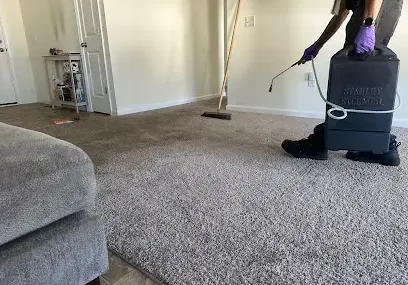
First steps for water extraction and removal
- 1Stop the sourceClose the main valve or the fixture shutoff so the extraction crew is not chasing new water.
- 2Move small items off the floorLift rugs, cords, shoes and boxes so the wands can reach every wet area.
- 3Leave wet carpet in placeSoaked carpet is heavy and tears; the crew decides what is extracted and what comes up.
- 4Photograph the standing waterPictures of the water level show the adjuster how far the loss spread.
How water extraction and removal is handled
- 1
Map the wet edge
Meters and thermal imaging show how far water traveled under flooring and baseboards.
- 2
Extract from the far side
The extraction crew works back toward the exit so no one tracks water into dry rooms.
- 3
Lift what will not dry
Soaked pad and ruined materials come out so the structure underneath can dry.
- 4
Set drying equipment
Air movers and LGR dehumidifiers go in, sized to each room's evaporation load.
What does water extraction and removal cost in Belton, TX?
Water extraction typically runs $400 to $1,500 for the extraction visit itself, before drying. Square footage, how deep the water stands, carpet versus hard floors and the water category set the number.
One room, clean water
- Truck-mounted extraction
- Carpet and pad assessed
- Moisture map started
Several rooms or a hallway
- Multiple extraction passes
- Pad removed where soaked
- Baseboards checked
Category 3 water
- Protective gear and containment
- Carpet and pad removed
- Antimicrobial applied
These are typical ranges, not a quote. Water category, square footage, material class and how fast drying started move the number most. For a closer planning figure, run the water damage cost calculator.
Extraction is the cheapest drying there is. Every gallon the extraction crew pulls out as liquid is a gallon the dehumidifiers never have to pull out of the air, which is why it comes first on every water loss, from a slab leak in Three Creeks to creek water in Shirttail Bend.
How water extraction works on a slab home
Most local homes sit on concrete slabs, so water spreads sideways under carpet, vinyl plank and baseboards instead of draining down. The tech who does the walkthrough maps the wet edge with meters first. The extraction crew then works from the far side of the loss back toward the door.
- Truck-mounted units for large areas and long hose runs
- Weighted extraction tools that press water out of carpet and pad
- Portable units for upstairs rooms, closets and tight spaces
- Squeegees and pumps for tile, plank and garage floors
Carpet, pad and what water extraction can save
Clean water caught early often leaves carpet worth saving after extraction, though the pad underneath usually soaks through and comes out. Gray and black water change that. Carpet touched by sewage or creek water is removed, not dried, as the sewage backup cleanup protocol requires.
What follows water extraction
Extraction removes the liquid, not the moisture inside drywall, framing and the slab. The drying team follows with air movers and LGR dehumidifiers for structural drying and logs readings daily until materials reach the drying goal. The EPA's indoor air quality pages explain why damp materials should not sit for days.
If water is coming in from outside, Ready.gov flood safety covers when to stay out of it.
Trade fact: water wicks up drywall quickly, so extraction speed decides how much wall has to be cut.
Water extraction and removal across Bell County
Coverage runs through ZIP 76513: downtown along Nolan Creek and Central Avenue, the UMHB blocks, Shirttail Bend, Three Creeks, Dawson Ranch, River Place and the Lake Belton side.
Temple, Morgan's Point Resort, Nolanville, Salado and Little River-Academy are covered too.
Water Extraction and Removal questions
How soon should water extraction start?
As soon as the source is stopped. Water keeps moving into pad, drywall and framing while it sits, and mold can start inside 24 to 48 hours.
Can I use a shop vacuum instead?
A shop vacuum helps with a small spill, but it cannot pull water out of carpet pad or from under flooring the way a truck-mounted unit with weighted tools can.
Will my carpet be saved after water extraction?
Carpet soaked with clean water and extracted quickly is often saved. The pad usually is not. Carpet touched by sewage or flood water is removed.
Does extraction dry the house?
No. Extraction removes standing water. Air movers and dehumidifiers then dry what is still wet inside the walls, the floor and the slab.
How is water extraction priced?
Mostly by square footage, the water category and how many passes the floor needs. Drying, demolition and repairs are separate parts of the scope.
Is water extraction covered by insurance?
Extraction after a sudden and accidental loss is often part of a covered claim, but coverage depends on your policy, so check with your own insurer.
Standing water anywhere in the house?
The extraction crew pulls the water, the drying team dries the structure to the IICRC S500 standard and the claim file is documented throughout.
(888) 926-4485Book emergency water extractionBelton Water Damage Restoration
Belton, TX · Bell County
Open 24 hours, 7 days a week