Water Damage Restoration Killeen, TX
Burst pipes, storm runoff, a failed water heater or a sewer backup: the restoration team removes standing water, dries the structure and documents the loss for Killeen homes and businesses.
(888) 926-4485Call about water in your Killeen home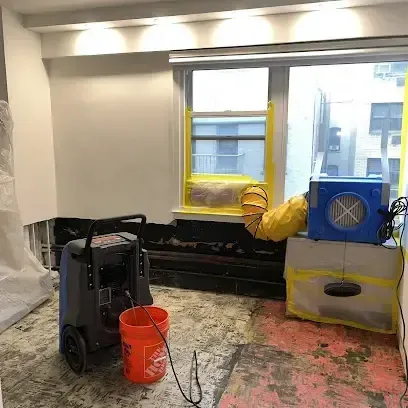
Water damage services for local homes and businesses
From a slab leak to a flooded storefront, each type of water loss needs its own method, equipment list and scope of work.
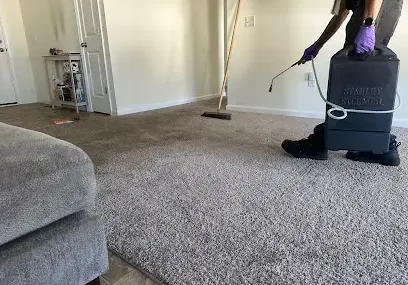 Stop 01Water Extraction and RemovalPumps and wands pull standing water from carpet, tile and subfloors before it creeps into the walls.View service details
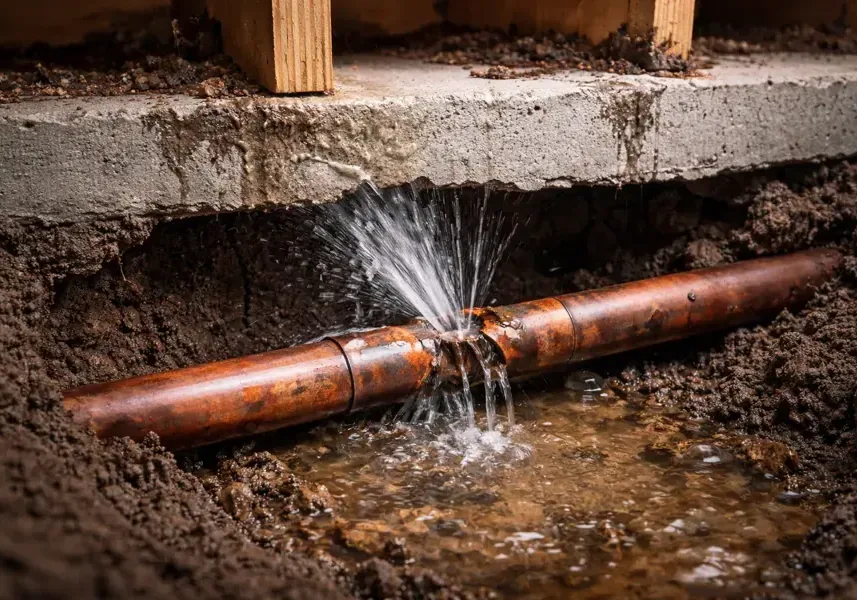 Stop 02Slab Leak Water DamageLeaks under a concrete floor are mapped with meters, then flooring and the slab are dried out.View service details
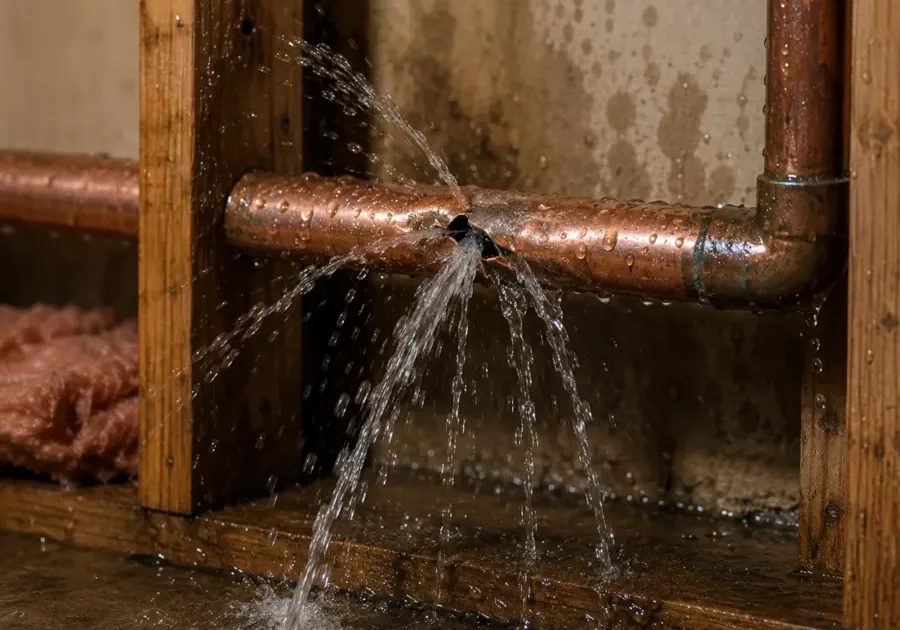 Stop 03Burst Pipe Water DamageA split supply pipe means shutoff, extraction and opened cavities, then drying until readings match dry.View service details
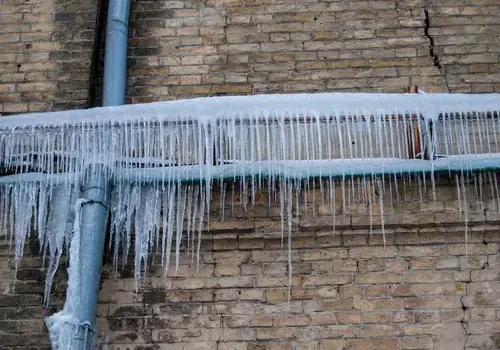 Stop 04Frozen Pipe Water DamageThawing breaks soak walls and attics fast, so insulation and drywall are removed and the framing is dried.View service details
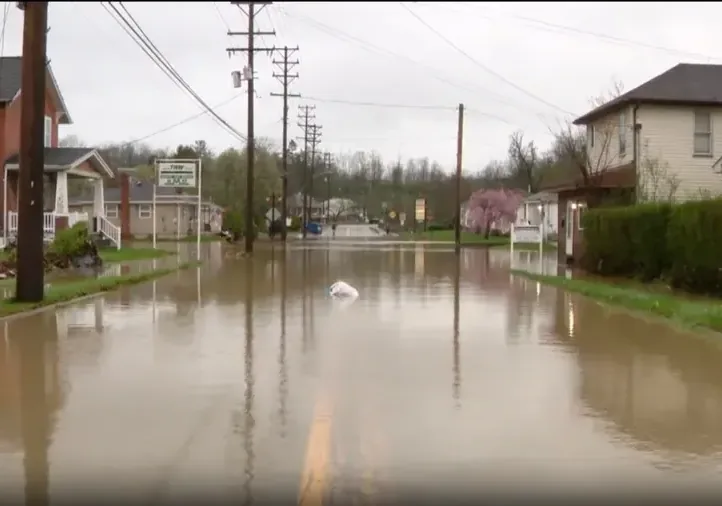 Stop 05Flash Flood and Creek Water CleanupStorm water and mud get Category 3 handling, with soaked materials removed and surfaces disinfected.View service details
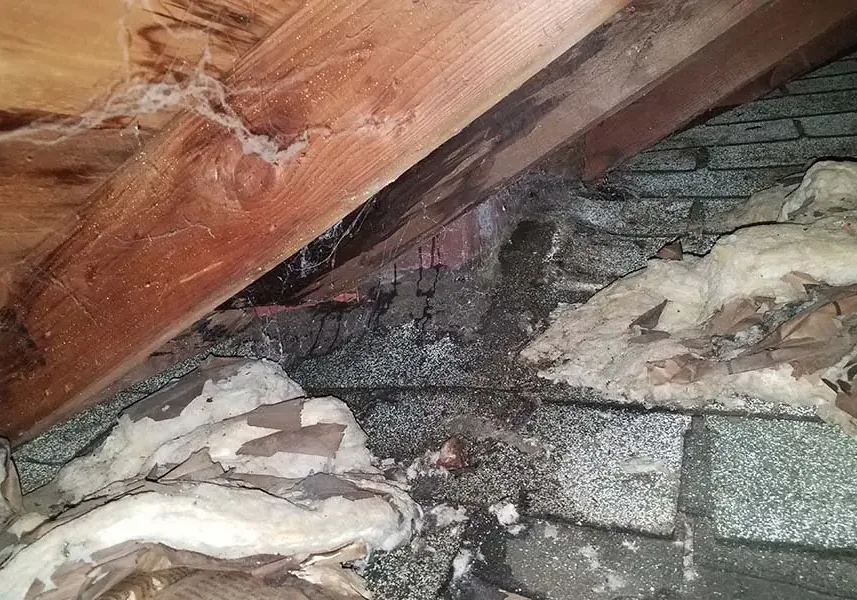 Stop 06Roof Leak Water DamageAttic insulation, ceilings and framing wet by a roof leak are dried in place or opened and replaced.View service details
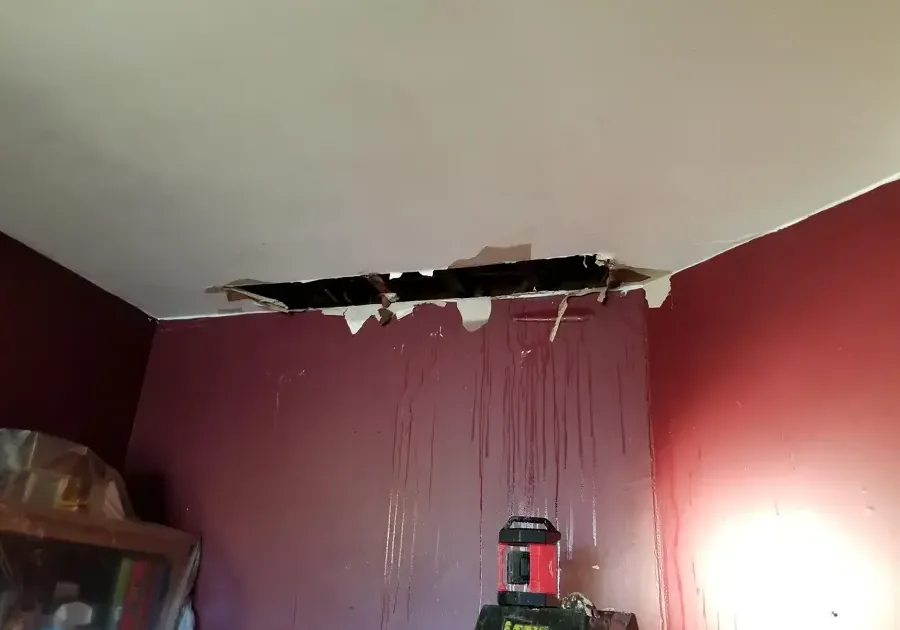 Stop 07Ceiling Leak Water DamageStained or sagging ceilings are checked with meters, then dried in place or opened where drywall holds water.View service details
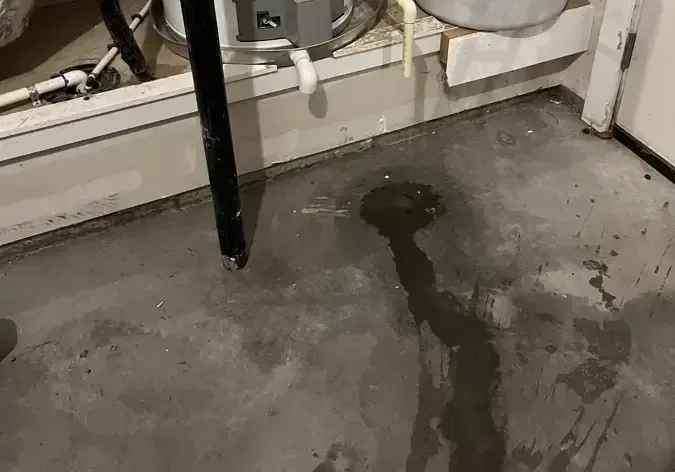 Stop 08Water Heater Leak CleanupA failed tank in a garage, closet or attic is extracted and the floors and walls around it dried.View service details
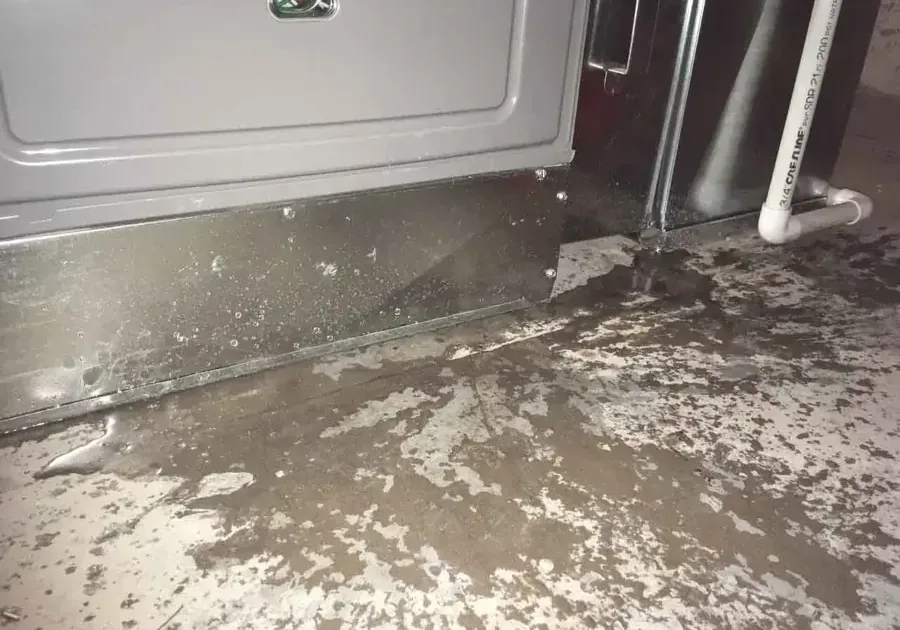 Stop 09AC Condensate Leak Water DamageA clogged condensate drain can soak an attic or ceiling, so wet insulation and drywall are dried.View service details
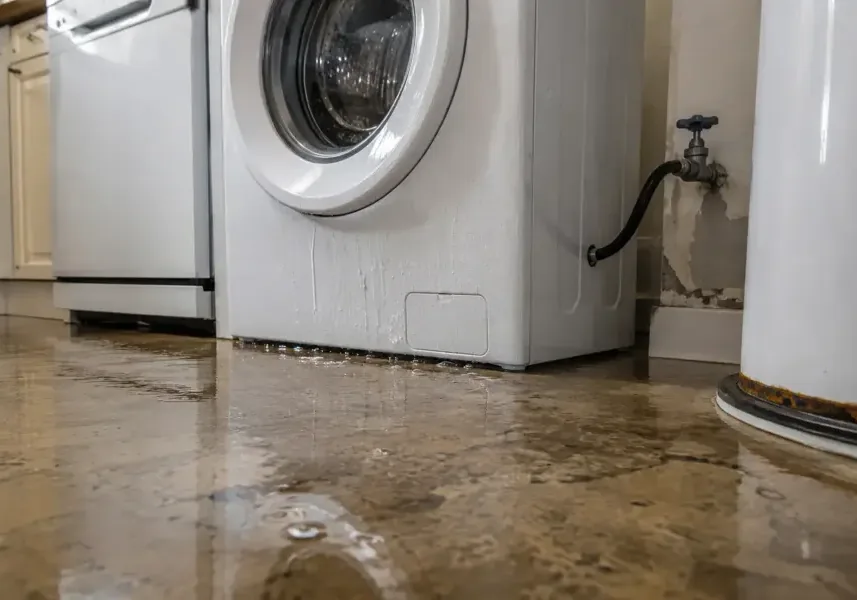 Stop 10Appliance and Supply Hose LeaksSupply hose and drain failures at sinks and washers are dried at the toe kicks, cabinets and floors.View service details
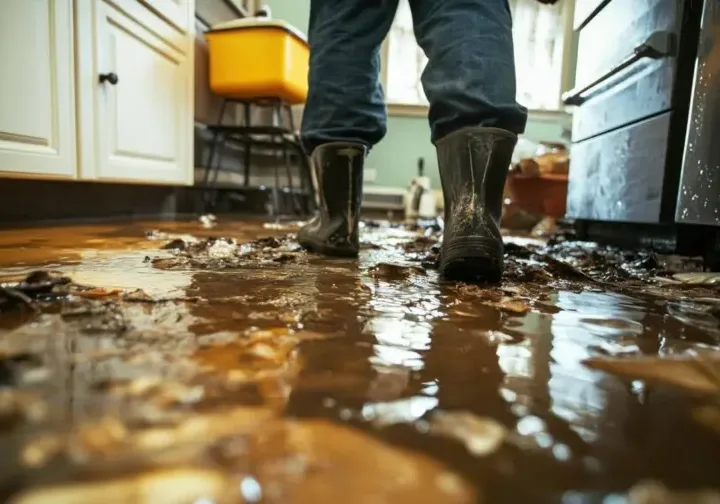 Stop 11Sewage Backup CleanupBackups get containment, protective gear and disinfecting, with every porous item that touched sewage removed.View service details
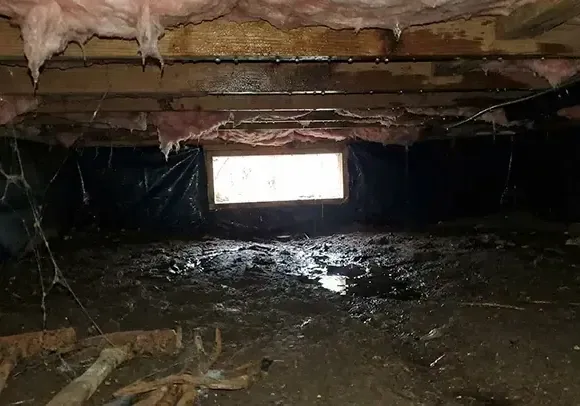 Stop 12Crawl Space Water RemovalStanding water under a raised floor is pumped out, then joists and insulation are dried or replaced.View service details
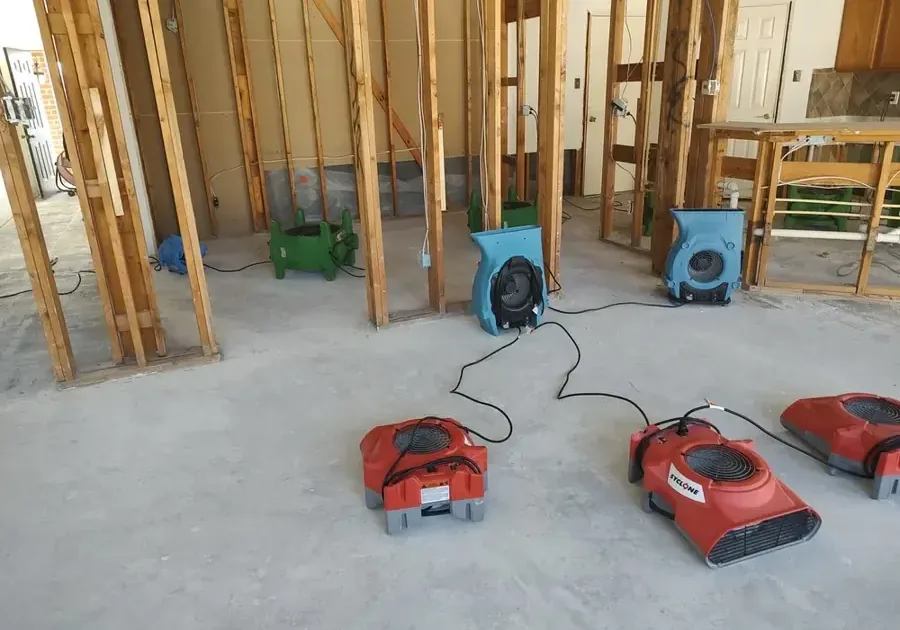 Stop 13Structural Drying and DehumidificationLGR dehumidifiers and air movers dry walls, floors and framing until readings match dry standards.View service details
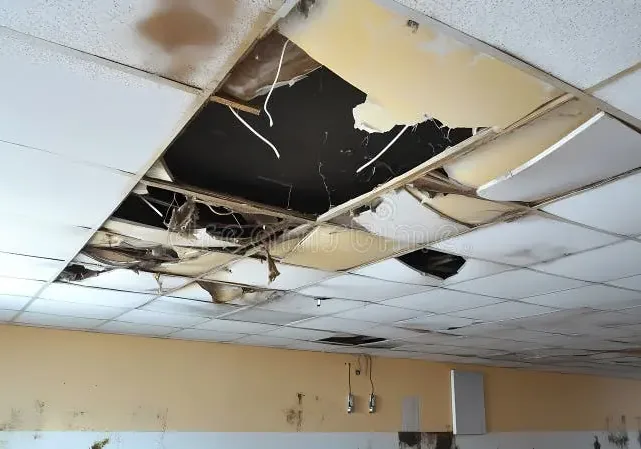 Stop 14Commercial Water DamageOffices, shops and apartment buildings get containment, phased drying and logs that every party can read.View service details
First moves when water shows up in your home
Quick, calm steps keep a small leak from becoming a big claim while help is on the way.
- 1Shut off the water at the valveClosing the main or the fixture supply valve stops new water from feeding the loss while everything else gets sorted out.
- 2Cut power to wet areasWater and electricity do not mix, so switch off breakers for any room with wet outlets or soaked floors.
- 3Photograph everythingWide shots and close ups of the source, the damage and ruined belongings help the claim later.
- 4Lift small items off wet floorsMove electronics, rugs and furniture legs to dry surfaces, and leave heavy items alone.
- 5Call the restoration teamStanding water turns into saturated drywall and flooring fast, so early extraction decides the final scope.
How wet floors and walls are dried to spec
Drying follows the S500 standard: measure, remove the water, move air and verify dry readings before anything is rebuilt.
- 1
Moisture mapping
Meters and a thermal camera trace water into walls, ceilings and floors so nothing wet is left out of the plan.
- 2
Water extraction
Truck-mounted units and hand tools remove standing water and pull moisture from carpet, pad and hard floors.
- 3
Controlled drying
Air movers and LGR dehumidifiers run together while the crew adjusts equipment as the readings change each day.
- 4
Dry verification
Final readings are compared with dry reference points, and the equipment stays until the materials actually match.
Equipment used on every job
- Truck-mounted water extractors
- LGR dehumidifiers
- Axial and centrifugal air movers
- Wall cavity drying systems
- Thermal cameras
- Moisture meters
- HEPA air scrubbers
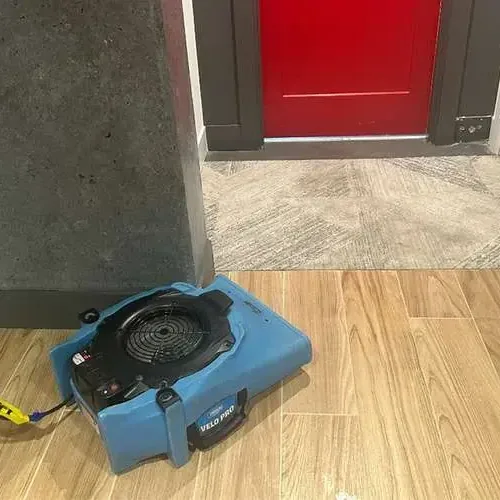
Why the first day of drying decides the final bill
Water moves quickly through drywall, insulation and flooring, and wet materials can grow mold in a day or two. Local crews keep drying times short, which keeps repairs smaller and claims simpler.
Drying by the book
Equipment placement and daily readings follow the S500 standard instead of guesswork on every visit.
Photo and moisture logs
Each visit adds dated photos and readings that adjusters, landlords and owners can follow.
An honest scope of work
Only materials that cannot be dried get removed, and the reason is written down.
Local road knowledge
Crews know the main roads, including I-14, East Central Texas Expressway and East Stan Schlueter Loop.
Street flooding and broken water mains
Heavy rain flooded streets across the city on July 7, 2025, and a flood watch followed. Water main breaks and boil water notices have also shaped recent years.
- Residents of the Stallion Drive neighborhood said in July 2025 that flooding there recurs whenever it rains, a pattern they described as lasting more than 20 years.
- Rain covered Cheaney Drive in May 2024 and reached a house beside a culvert.
- A contractor struck a transmission main beneath Interstate 14 on December 15, 2025, cutting water service and triggering a boil water notice.
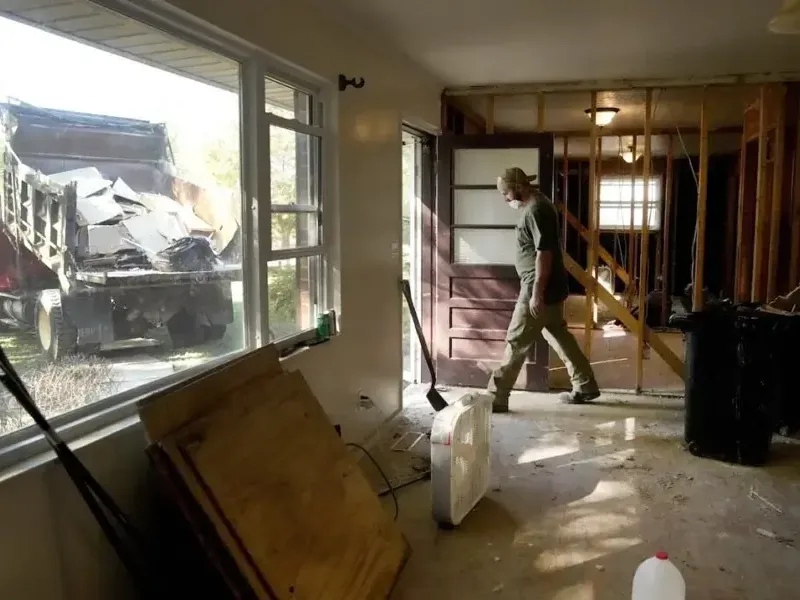
How much does water damage cleanup cost in Killeen?
Most losses run between $1,200 and $20,000 or more, set by the water category, the area affected and how long materials stayed wet. A clean water leak caught early sits at the low end.
Clean water, one area
- Water extraction and meters
- Air movers set in place
- Dry readings every visit
Several rooms or wet walls
- Flooring and pad removed
- Lower drywall opened
- Extra LGR dehumidifiers
Category 3 or a large loss
- Sewage or flood water protocol
- Porous items discarded
- Containment and scrubbers
Printed ranges let owners compare scopes. Final cost follows moisture readings, the water category and what the policy covers.
Water damage and your policy
Most homeowners policies cover sudden leaks and bursts but not slow seepage or flood water, so the cause matters when a claim is filed.
- Photos of the source and every wet room
- The date, time and cause of the loss
- A list of damaged belongings with values
- Moisture readings and daily drying logs
- Receipts for emergency repairs and plumber visits
If you rent the home
About half of occupied homes here are rented, according to Census QuickFacts for 2020 to 2024. A tenant should report the water to the landlord in writing right away, and landlords can use dated logs to support the owner policy.
Renters insurance may cover belongings, while the building falls under the owner's policy.
Clean, gray and black water need different handling
Water category sets the safety steps, the materials that must go and the price range, so identifying the source comes first.
Category 1: clean water
Supply pipes, a leaking water heater or an overflowing sink start clean, but clean water degrades the longer materials stay wet.
Water heater leak cleanupCategory 2: gray water
Dishwasher and washing machine overflows carry some contamination, so porous materials come out and surfaces are disinfected.
Appliance leak cleanupCategory 3: black water
Sewage and flood water carry bacteria, so the area is contained, porous materials are discarded and crews wear protective gear.
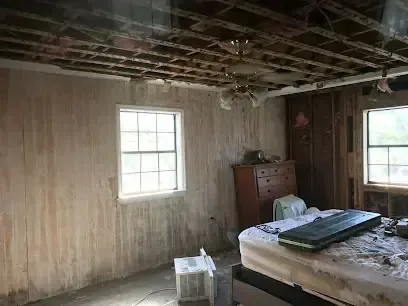
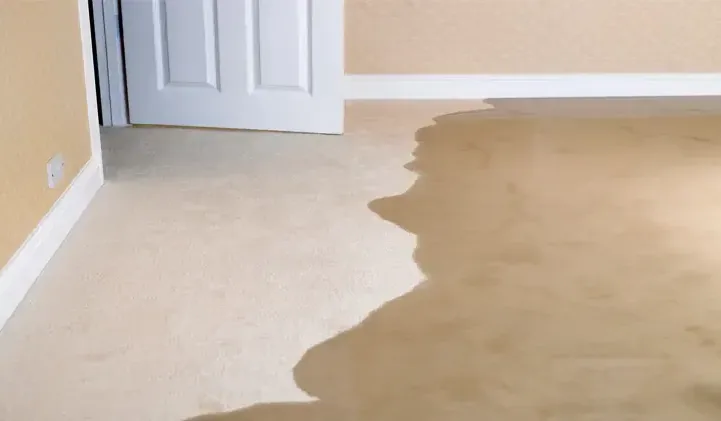
Sewage backup cleanupWhat extraction and drying work looks like
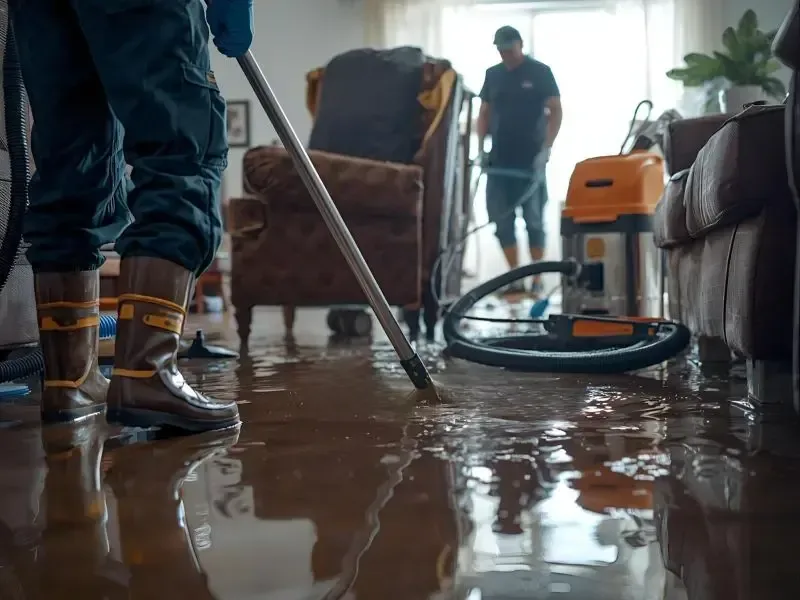
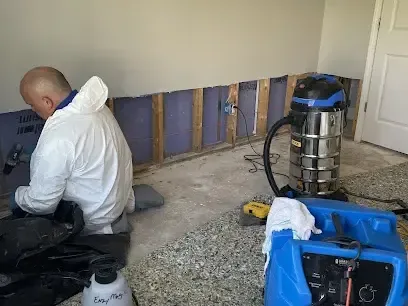
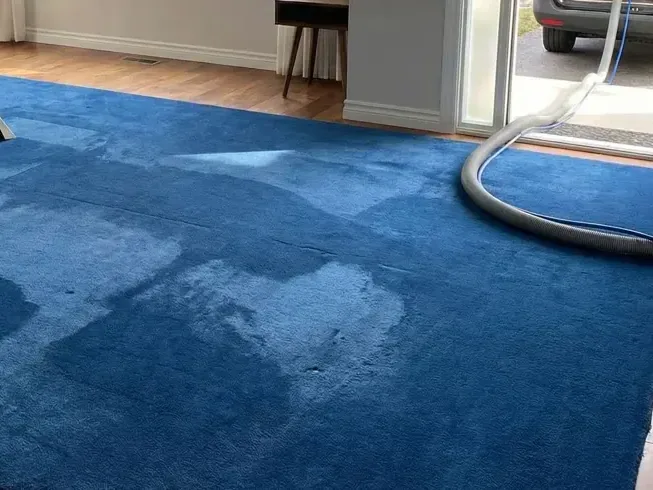

Where the drying team works across the city
Jobs run from Downtown Killeen to subdivisions such as Heritage Oaks, Trimmier Estates and Savannah Heights, across town.
Reach the drying team from any neighborhood
Killeen is the largest city in Bell County, with 153,095 residents in the 2020 Census. Homes, apartments and shops across the city all get the same drying standard.
(888) 926-4485Talk through a Killeen lossHeritage Oaks and Trimmier Estates
Supply leaks, water heater failures and storm water in houses get extraction, moisture mapping and drying.
Bridgewood Estates and Hymesa Estates
Appliance hose leaks, ceiling drips and roof leaks after storms are opened up, dried and documented.
Savannah Heights and Yowell Ranch
Slab leaks, burst pipes and AC drain overflows are traced, dried and verified before repairs begin.
Downtown Killeen and main roads
Commercial jobs near I-14, US Highway 190 and Veterans Memorial Boulevard get phased drying plans and shared logs.
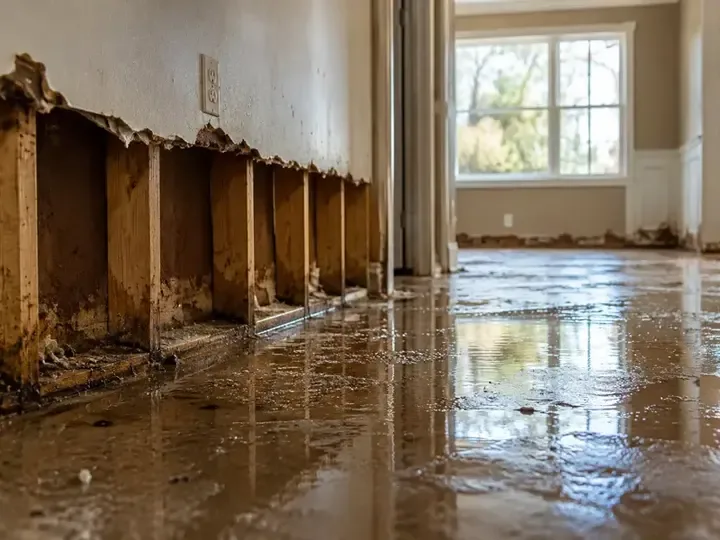
What puts local homes at risk for water damage
Water risk here shows up as street flooding after heavy rain, broken water mains, freezing nights and sewer backups. Each calls for a different response, and city and news records show several of them in recent years.
- Water main breaks. City crews worked 111 water main breaks in one fiscal year, and the February 2021 boil water notice followed a main break.
- Hard freezes. The city says even interior pipes can freeze if power is lost and indoor temperatures fall below 32 degrees, and it urged residents to drip faucets before the December 2022 cold front.
- Hail and heavy rain. April 2022 storms brought golf ball-sized hail and a strong tornado to the Killeen area, and heavy rain fell again on August 4, 2025. Roofs and ceilings take the first hit.
- Sewer backups. The city smoke tests sewer mains under a 10-year survey covering about 10 percent of wastewater pipes a year. A backup is still Category 3 water.
Water damage questions from local homeowners
What should I do first when water floods a room?
Shut off the source, switch off power to the wet area and photograph everything. Then call a restoration crew, because standing water soaks into drywall and flooring faster than most people expect.
How long does drying take after a leak?
Most jobs take several days, and hardwood, slab or Class 4 materials take longer. Moisture readings decide when equipment leaves, not the calendar, so the final visit happens only after materials read dry.
Does insurance pay for water damage?
Sudden bursts and leaks are commonly covered, while rising flood water usually needs a separate flood policy. Dated photos and drying logs help an adjuster see what happened, what was wet and what the work cost.
Does a boil water notice mean my pipes are damaged?
No. A boil notice is about drinking water safety. The city issued one in February 2021 after a water main break, and another in December 2025 after a contractor struck a transmission main. A wet floor at home is a separate problem.
How does heavy rain flooding change the cleanup?
Water that enters from outside counts as Category 3, so the crew wears protective gear, removes porous materials and disinfects before drying begins. Quick extraction after storms like the July 7, 2025 flooding limits how far the loss spreads.
Can pipes freeze in a Central Texas home?
Yes. The city says even interior pipes can freeze if power is lost and indoor temperatures fall below 32 degrees. A pipe that splits then floods walls or ceilings when it thaws, and drying starts once the water is shut off.
Should a renter call the landlord or a restoration crew?
Report the water to the landlord in writing, then photograph belongings and the damage. With about half of the occupied homes here rented, landlords and tenants often need the same dated drying logs.
What does a sewage backup need that clean water does not?
Category 3 water means containment, protective gear, removal of soaked carpet and lower drywall, and antimicrobial treatment. Anything porous that touched sewage is discarded, and the space is dried after cleaning.
How is the cost of a water loss decided?
Scope sets the price: the water category, the area affected, the materials removed and the days of equipment. The printed ranges give a starting point, and a moisture map shows where a job lands.
Can a shop or office keep operating while drying runs?
Often yes. Containment walls and phased drying keep the wet suites closed while the rest of a building operates, and the plan is set after a walkthrough of the affected areas.
Start drying before the damage spreads
The restoration team for Killeen homes and businesses is ready to talk through the source, the water category and the next step.
(888) 926-4485Get a drying crew on the phoneBelton Water Damage Restoration
Killeen, TX · Bell County
Open 24 hours, 7 days a week