Flash Flood and Creek Water Cleanup in Harker Heights, TX
Water from a creek or a storm carries silt, bacteria and debris into a home. The mitigation team removes the contaminated water, cuts out what cannot be cleaned and dries the rest.
(888) 926-4485Report creek water in the house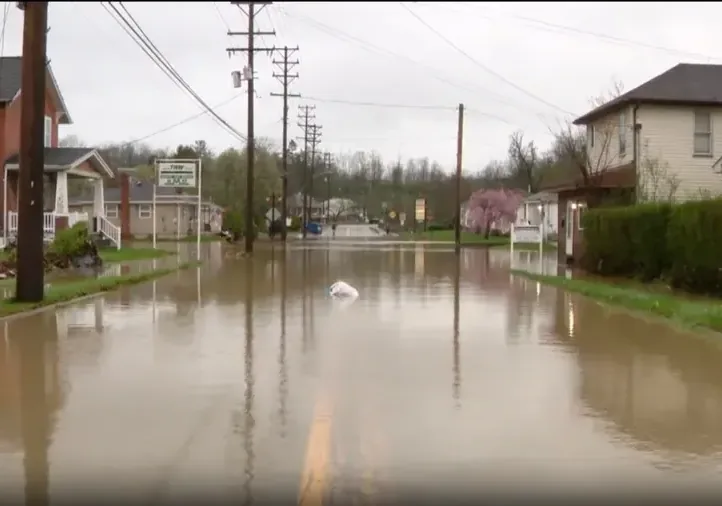
First steps for flash flood and creek water cleanup
- 1Stay out until power is offFlood water can energize outlets and appliances, so the breaker comes before anything else.
- 2Keep children and pets outSilt and contaminated water carry bacteria that cause illness on contact.
- 3Photograph the high-water markDated photos of the high mark and the damaged rooms support the claim.
- 4Call for removalContaminated materials need protective handling, and each day of waiting lets the contamination spread.
How flash flood and creek water cleanup is handled
- 1
Make it safe
Power is confirmed off, gear goes on and containment protects clean rooms.
- 2
Remove the water and silt
Extractors pull the water, and mud is removed by hand and by vacuum.
- 3
Cut and clean
Porous materials are discarded, hard surfaces are disinfected and the structure is opened.
- 4
Dry and verify
Dehumidifiers and air movers finish the work, with readings logged until everything is dry.
What does flash flood and creek water cleanup cost in Harker Heights, TX?
Flood cleanup starts near $5,000 for low water in one area and climbs to $20,000 to $45,000 or more when a whole floor or a commercial space needs Category 3 removal.
Low water, one area
- Category 3 extraction
- Flood cuts made
- Antimicrobial applied
Several rooms
- Silt and mud hauled out
- Drywall and insulation pulled
- HEPA scrubbers and containment
Whole floor or commercial
- Soaked materials removed throughout
- Large-scale drying
- Daily photos and readings
These are typical ranges, not a quote. Water category, square footage, material class and how fast drying started move the number most. For a closer planning figure, run the water damage cost calculator.
Flood water is not the same as a plumbing leak. It carries silt, bacteria and chemicals, so the cleanup begins with removal and safety rather than drying. Creeks and tributaries across Harker Heights drain to Nolan Creek, which is why heavy rain can reach homes.
What a flood study does and does not say
A 2015 flood plain study counted streets and structures along the creeks that drain to Nolan Creek, including 12 streets and 79 structures along one tributary that runs from Goode-Connell Park toward Nolan Creek. Those counts come from an engineering study, not from current FEMA maps.
- Mud and silt are shoveled and vacuumed out
- Wet drywall is cut above the high-water mark
- Insulation and carpet pad are discarded
- Hard surfaces are washed and disinfected
Flash flood cleanup after heavy rain
The August 19, 2022 storm put high water on area roads, and weekend storms in May 2024 required cleanup in the city and Nolanville.
After storm water gets in, crews work in protective gear, set up containment and run HEPA air scrubbers so contaminated dust stays out of clean rooms.
Drainage work and what it means for cleanup
City drainage plans include a detention facility at Goode-Connell Park, wider channel work behind homes on Cardinal Lane and the Indian Trail Drainage Project. Such projects change over time, so the cleanup plan follows the water actually in the house. Related pages: sewage backup cleanup and water extraction.
Insurance note. Flood coverage is usually a separate policy from standard homeowners coverage, so the adjuster should know where the water came from before work starts.
Flash flood and creek water cleanup across Harker Heights and nearby towns
Flood cleanup covers streets near the creek tributaries, including Veterans Memorial Boulevard, Cardinal Lane, Indian Trail and Comanche Gap Road, along with residential streets across the city.
The same service nearby: flash flood and creek water cleanup in Belton, Killeen, Temple.
Water damage restoration in Harker Heights · every town covered
Flash Flood and Creek Water Cleanup questions
Is flood water always Category 3?
Creek, storm and ground-surface water is treated as Category 3 because it gathers soil, bacteria and chemicals on the way in, and treatment and disposal follow that standard.
Can flooded drywall and carpet be saved?
Rarely. Porous materials that touched flood water are removed because they cannot be reliably cleaned, while hard surfaces and framing are cleaned, disinfected and dried.
Do FEMA flood maps decide the cleanup?
No. Maps affect insurance and building rules, but the cleanup follows the water that entered the home, and the 2015 study counts are not current maps.
How soon should flood cleanup begin?
As early as it is safe, because wet materials degrade and mold can begin after 24 to 48 hours. Safety checks on power and structure come before any removal.
Who pays for flood cleanup?
That depends on the policy. Flood coverage is separate from standard homeowners coverage, so the adjuster needs the source of the water, dated photos and the drying log.
What happens to belongings?
Items are sorted into those that can be cleaned and those that must be discarded, and the list with photos goes to the adjuster.
Contaminated water does not wait
Silt and bacteria settle into carpet, pad and drywall, so removal, disinfecting and drying should begin before the rooms are put back together.
(888) 926-4485Start flood removalBelton Water Damage Restoration
Harker Heights, TX · Bell County
Open 24 hours, 7 days a week