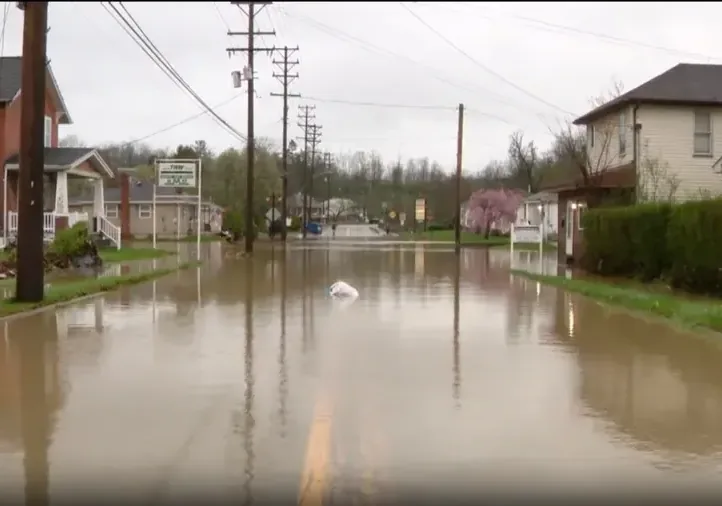
Some Killeen streets flood more than once. Residents of the Stallion Drive neighborhood say flooding there returns every time it rains and has gone on for more than 20 years, so a plan for water that reaches a garage or a floor is practical, not dramatic.
Key takeaways
- Street flood water that enters a building is treated as Category 3, because it carries dirt, runoff and possible contamination.
- Garages, entries and the lowest rooms take water first, and hard floors carry it farther than most owners expect.
- Standing water comes out first, then porous materials such as carpet, pad and lower drywall, then drying runs until readings say the structure is dry.
- Dated photos, taken each time water enters, build a record when the same address floods again.
- Cleanup should start as soon as it is safe, because wet drywall and wood left for a day or two can start growing mold.
Recent flooding on Killeen streets
Several recent events show that water reaching a driveway or a yard is a known local pattern. None of this means every street floods, and conditions differ from block to block.
- May 2024: residents asked the city to fix flooding on Cheaney Drive, where rain water covered the street and some yards and reached a house beside a culvert.
- July 7, 2025: heavy rain early on a Monday flooded streets across Killeen, and a flood watch was issued.
- July 2025: residents of the Stallion Drive neighborhood said flooding there recurs every time it rains and has gone on for more than 20 years.
- August 4, 2025: a series of storms brought heavy rain to the city again.
Where the water goes once it reaches a house
Water enters at the lowest and most open point, usually a garage door, an entry threshold or a patio door. Once inside, it spreads across hard floors and wicks up into drywall and trim.
Even a thin film is enough to soak carpet pad and the base of a wall. A house can look nearly dry on the surface and still hold water in places that cannot be seen.
- Garage: stored boxes, cardboard and the base of the walls
- Entry and hall: flooring and baseboards
- Living areas: carpet, pad and furniture legs
Mud, silt and what the water leaves behind
Street flood water does not leave only moisture. It leaves a film of mud and silt on floors and in carpet, along with whatever the runoff picked up on the way.
That layer is part of the reason flood water is treated as Category 3: it holds contamination against the surfaces it touched, and it dries into a crust that traps moisture underneath.
- Silt in carpet fibers and under pad
- Mud in door tracks, thresholds and the base of cabinets
- Debris and grit under appliances and furniture
- A damp smell that returns after the surface dries
First steps when water is in the house
Street water is not clean, so the first steps are about safety and about limiting what the water reaches.
A calm, short routine works better than trying to save everything at once.
- Stay out of moving water and keep power off in wet areas until it is safe.
- Wear boots and gloves, and keep children and pets away from the water.
- Photograph the water level and every wet room, with the date visible.
- Lift small items and electronics off the floor.
- Do not use a household vacuum on standing water.
What the cleanup crew removes and what can stay
The work follows the order that protects the structure. Each stage prepares the next one.
Standing water first
Pumps and water extraction equipment remove the water so floors and wall bases can be reached. Every hour water stays in contact with drywall and wood adds to the damage.
Porous materials out
Anything that soaked up flood water and cannot be cleaned all the way through is removed. This is the step owners find hardest, because some of it looks salvageable.
- Carpet and pad
- Insulation and drywall at the base of walls
- Cardboard, paper and fabric stored in the garage
Hard surfaces cleaned
Concrete, tile and sealed surfaces are cleaned and treated. The full process for flash flood and creek water cleanup treats the water as Category 3 from start to finish.
Why this is not a roof or pipe leak
A roof leak or a supply pipe leak starts with clean water, so many materials can be dried in place. Flood water from a street or a yard starts contaminated, so more material comes out and more surfaces are cleaned and treated.
- Clean water from a pipe: dry in place when caught early
- Water from a street or yard: remove porous materials, clean and treat the rest
- Water from a sewer: treated the same way, with added containment
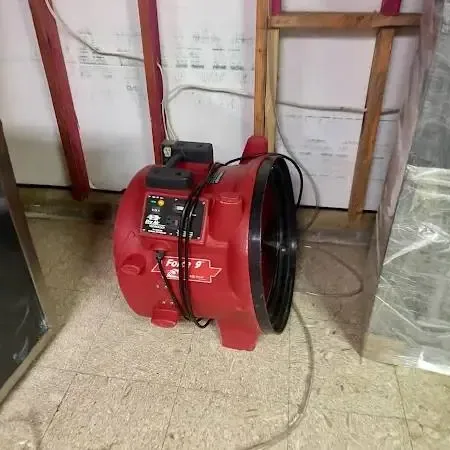
Drying until the readings say dry
A floor that feels dry can still have wet wall cavities behind it. Baseboards are pulled and small openings are made so air can reach the cavity.
Fans and dehumidifiers run until moisture meters show normal readings in the floor, the lower walls and the trim. Category 3 flood cleanup across the wider area uses the same readings, as described under flash flood cleanup.
- Moisture readings are taken on every wet surface at each visit.
- Equipment is moved as areas dry, so no room is dried longer than needed.
- The job ends when readings are normal, not when the house feels dry.
Living with a street that floods more than once
Repeat flooding changes the plan. The goal is a shorter first day each time.
Homes across Killeen face the same decisions, and a short written plan helps.
- Take dated photos each time water enters, so the pattern is documented.
- Keep valuables and paper records off the garage floor.
- Know where the main water shutoff and electrical panel are.
- Treat a flood watch, like the one issued on July 7, 2025, as the signal to lift stored items.
- Keep downspouts and gutters clear and pointed away from the house.
Questions
Is street flood water contaminated?
It can be. Street water carries dirt, runoff and sometimes sewage, so it is handled as Category 3 once it enters a building.
Can wet carpet be saved after street flooding?
Usually not. Carpet and pad that soaked in flood water are removed, while hard surfaces are cleaned and dried.
How soon should cleanup start?
As soon as it is safe to enter. Wet drywall and wood left for a day or two can start growing mold.
What should be photographed?
The water level, each wet room, damaged contents and any marks on the walls, with the date visible. Photos taken at each event help when the same address floods again.
Does repeat flooding change how a house is dried?
The method is the same, but readings matter more. Walls and floors that were wet before may hold moisture longer, so the drying team keeps checking until readings are normal.