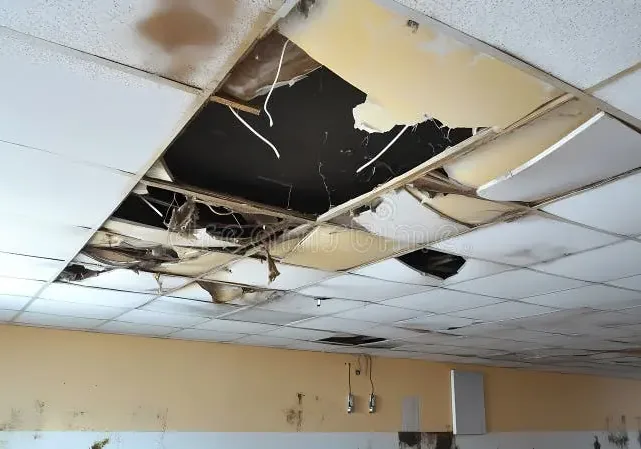
A small shop feels water loss at once. In downtown McGregor, near the Texas Theater and the streets closed for First Friday, every day shut is a day of lost foot traffic.
Key takeaways
- Stop the source first: close the shutoff valve, then deal with the water that is already inside.
- Lift stock, paperwork and electronics off the floor and away from wet walls before anything else is removed.
- Standing water is extracted first, wet flooring and drywall are removed where they cannot be dried in place, and drying continues until readings are normal.
- Photos, a stock list and dated notes keep the first day organized and make later conversations easier.
- Tell customers early with a notice on the door and a short message to regulars.
- Wet drywall and flooring left for a day or two can start growing mold, so drying should not wait.
Why a day closed matters to a small business
McGregor has an estimated 215 businesses, according to a 2026 ESRI estimate published by the Heart of Texas Council of Governments. The same estimate lists the largest areas of employment, and the four largest are below.
That mix means storefronts, offices, schools and restaurants all face the same pressure: a wet floor or ceiling can shut the doors for days.
- Health care and social assistance: 393 employed
- Educational services: 281 employed
- Retail trade: 265 employed
- Accommodation and food service: 225 employed
Common causes of storefront water loss
Water reaches a shop in more ways than a burst pipe. Knowing the usual sources helps an owner spot a problem before it becomes a closure.
Small businesses often have equipment that uses water all day, which adds to the list.
- A supply pipe or fitting that fails in a wall or ceiling
- A water heater, ice machine or dishwasher that leaks
- A roof or flashing leak after a storm
- A drain or restroom that backs up
- An air conditioner condensate drain that overflows
The first steps inside the storefront
The first steps are the same for a failed pipe, a roof leak or a drain that backed up. Stop the source, protect people, then protect the stock.
A short routine posted near the back door makes it easier for staff to act the same way, even when the owner is not there.
- Close the shutoff valve at the fixture or the main valve for the building.
- Shut off power to the wet area only if it can be done from a dry spot.
- Keep staff and customers out of wet areas, since wet floors are a slipping hazard.
- Photograph the source and every wet area before anything is moved.
- Call the building owner if the space is rented, because shared walls and ceilings can pass water to neighbors.
Protecting stock, equipment and records
Anything on the floor is at risk first, and anything that wicks water can be ruined in a few hours. The order of rescue matters.
Get it off the floor
Lift stock onto tables, counters or upper shelves, and pull equipment away from wet walls. Heavy items can wait until the water is gone.
- Cardboard boxes and paper goods
- Fabric, clothing and soft stock
- Display fixtures and shelving with wood bases
- Cash registers, computers and other electronics
Paper, electronics and fabric
Paper and fabric wick water quickly, so they come first. Electronics stay unplugged until a qualified electrician or the maker has checked them.
Records that must be kept can be moved to a dry room or taken home, with a note of where they went.
How the drying order works
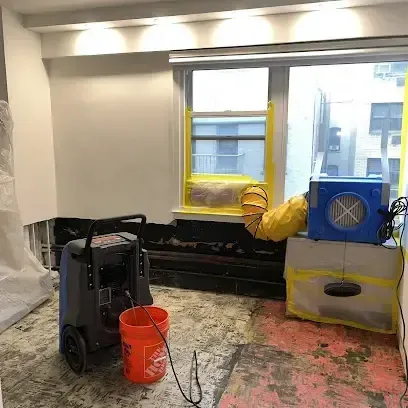
The restoration team removes standing water first, because water that sits keeps spreading into walls and flooring. Wet flooring, base trim and lower drywall come out where they cannot be dried in place.
Then fans, dehumidifiers and moisture readings take over, and equipment is moved as areas dry. The full process for commercial water damage restoration ends when readings are normal, and structural drying is not finished until every tested wall and floor reaches them.
- Extraction of standing water
- Removal of wet materials that cannot be dried
- Cleaning and drying with fans and dehumidifiers
- Readings at each visit until the structure is dry
Why thorough drying matters
A surface that looks dry can hold water in the wall base, under flooring and above a ceiling. Reopening on that moisture leads to peeling paint, swollen trim and a musty smell that customers notice.
Readings are the only way to know the inside of a wall has dried, which is why a drying job ends on numbers and not on appearance.
Keeping customers informed
A short notice keeps customers from guessing. The people who matter most are regulars, delivery drivers and anyone with an appointment.
On First Friday evenings, downtown streets close for the event, which affects deliveries and equipment access. A storefront with a drying project is better off planning around those dates.
- Post a notice on the door with a reopening date or a promise to update.
- Send a message to regular customers and anyone with an order.
- Tell vendors and delivery services about the closure.
- Tell staff when to return and what to do until then.
When the cause is outside the building
A water loss can start with a roof leak after a storm, a failed supply pipe or a drain that backs up. The City of McGregor provides water and wastewater service, and a plumber can tell whether the problem is inside the building or out in the street.
If the cause is a roof or a window, a temporary cover goes on first so the inside work is not repeated. Businesses across McGregor face the same first steps, and the nearby commercial water damage restoration response in the wider area follows the same order: stop the source, extract, remove, dry and confirm.
Questions
Can a shop stay open while drying equipment runs?
Sometimes. Dry rooms may stay in use, but wet areas need to be closed, and noise, cords and safety matter. The drying team decides after seeing the layout.
What should be moved first after a leak?
Anything on the floor that wicks water, such as cardboard, paper and fabric, comes first. Electronics should be unplugged and lifted, and heavy items can wait.
How long does drying take in a small shop?
Several days is common. Wet flooring and lower walls take longer than the surface suggests, and readings decide when drying ends. A shop that reopens early on a wet floor can end up closing again.
Should a tenant tell the building owner?
Yes, right away. Shared walls and ceilings can carry water into other spaces, and the owner may need to act on the building side. Early notice also keeps neighbors from being surprised by a stain.
What records help after a water loss?
Photos of the source and the damage, a list of stock and equipment, receipts for emergency work and a note of the date and time of each step. Copies kept outside the building are safest.