Water Extraction in Copperas Cove, TX
Standing water ruins flooring and soaks walls fast, so the extraction crew pulls it out with truck-mounted equipment, then checks the carpet, pad and framing for water still hidden.
(888) 926-4485Get the standing water removed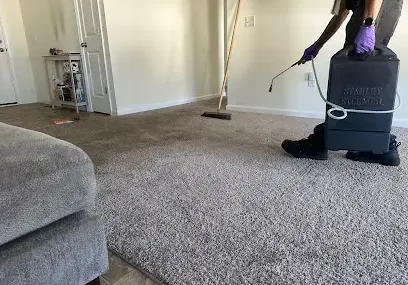
First steps for water extraction and removal
- 1Make the room safePower to wet outlets is shut off and the crew checks for sagging ceilings or slick floors before anyone steps in.
- 2Pull the standing waterTruck-mounted extractors and wands lift water from carpet, pad and hard floors until the surface stops giving it up.
- 3Check what is hidingMeters probe baseboards, wall bases and subfloors for water the pumping left behind.
- 4Set the drying planThe moisture map decides which materials stay, which come out and where the equipment goes.
How water extraction and removal is handled
- 1
Stage the equipment
Hoses, pumps and extractor heads are set up so water leaves the building without crossing dry rooms.
- 2
Work in overlapping passes
Each section is extracted until the wand stops pulling water, then crossed again at a different angle.
- 3
Probe the edges
Meters check baseboards, door frames and the first foot of wall for moisture wicking upward.
- 4
Hand off to drying
Readings are recorded and drying equipment is placed according to the map.
What does water extraction and removal cost in Copperas Cove, TX?
Water extraction usually costs $400 to $900 for one room of clean water, more when several rooms or a hallway are wet, and the most when the water is Category 3.
One clean room
- Wand and extractor passes
- Pad condition checked
- First moisture readings
Hallway or several rooms
- Repeat extraction passes
- Soaked pad removed
- Baseboards probed
Category 3 water
- Protective gear worn
- Porous materials removed
- Antimicrobial treatment
These are typical ranges, not a quote. Water category, square footage, material class and how fast drying started move the number most. For a closer planning figure, run the water damage cost calculator.
Water extraction is the first job in any serious loss, and it decides how much of the building stays salvageable. In Copperas Cove, the extraction crew removes standing water from carpet, tile, hardwood and subfloors before it can wick into walls.
How water extraction works
Truck-mounted units pull the bulk of the water from open floor areas, while wand tools and weighted extractors work the carpet and pad to lift what the surface hides. On tile and hardwood the crew pushes water toward the pickup head, then finishes with fine tools along edges and thresholds.
- Standing water is pumped or vacuumed from open floors
- Wet carpet is lifted and the pad checked for saturation
- Baseboards and wall bases are probed for trapped moisture
- A moisture map records what remains
When extraction alone is not enough
Carpet pad holds water like a sponge, so soaked pad is usually removed while the carpet itself can often be dried and reset. Engineered boards and hardwood may need drying mats. Anything that sat in sewage or storm runoff is treated as Category 3 and discarded if it is porous.
Once the standing water is gone, the same crew sets up equipment and structural drying takes over from the extraction work.
Why extraction starts as soon as it is safe
The May 12, 2024 flash flood on Settlement Road in the Rhode Park neighborhood showed how fast water can arrive here: a resident said it took about six minutes for the road to go from dry to flooding yards and cars. That speed is why the response team starts pumping the moment a building is safe to enter, and why flash flood cleanup follows the same sequence.
Safety first. Never use a household vacuum on standing water or step into a wet room while the power is on.
Water extraction and removal across Copperas Cove and nearby towns
Extraction crews work throughout Copperas Cove, including businesses along US Highway 190, homes in Rhode Park and Heritage Place, and the city's business parks.
The same service nearby: water extraction and removal in Belton, Killeen, Harker Heights.
Water damage restoration in Copperas Cove · every town covered
Water Extraction and Removal questions
Can wet carpet be saved after extraction?
Often, if the water came from a clean supply source and the carpet is extracted promptly. The pad is usually replaced. Carpet that soaked in sewage or flood runoff is discarded.
Is a shop vacuum enough?
A household vacuum removes only a small volume, is not made for standing water and risks electric shock. Truck-mounted units pull far more water and leave less behind.
How long does extraction take?
A single room often takes a few hours, while a large loss or a flooded first floor can take most of a day. Depth, floor type and water category all matter.
Does extraction stop mold?
It removes the water mold needs, but walls and subfloors still hold moisture afterward, so equipment and readings continue until the structure is dry.
What happens to hardwood floors?
Hardwood and engineered flooring can cup within days, so drying mats pull moisture through the boards while air movers work the surface. Some boards may still need replacing.
Get the water out before it spreads
Describe the rooms and the water source, and the crew will outline extraction, the moisture check and what the drying stage will involve.
(888) 926-4485Plan the extractionBelton Water Damage Restoration
Copperas Cove, TX · Bell County
Open 24 hours, 7 days a week