Water Extraction and Removal in McGregor, TX
Truck-mounted units and portable wands clear standing water from carpet, pad and hard floors, and a moisture map shows where the drying work must continue.
(888) 926-4485Request water removal help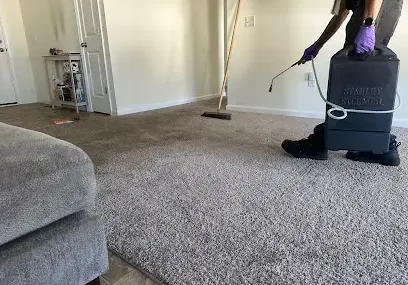
First steps for water extraction and removal
- 1Stop the sourceClose the supply valve or turn off the appliance so no more water joins what is already on the floor.
- 2Cut the powerSwitch off breakers to wet rooms and avoid outlets, cords and fixtures that touched water.
- 3Photograph firstCapture the water level, the flooring and any furniture before anything moves.
- 4Call for extractionDescribe the rooms, the depth and the source so the extraction crew brings the right equipment.
How water extraction and removal is handled
- 1
Assess the water
The crew checks the depth, the source and the water category before choosing which equipment to bring.
- 2
Remove the bulk
Pumps and truck-mounted units take out standing water and wring carpet.
- 3
Detail the edges
Wands and meters find water left in corners, closets and wall bases.
- 4
Hand off to drying
Moisture readings set up the drying plan that follows, so equipment goes in while materials can still be saved.
What does water extraction and removal cost in McGregor, TX?
Water extraction in McGregor usually costs $400 to $3,500, depending on how many rooms are wet and whether the water is clean or contaminated. Category 3 jobs sit at the top of that range.
One room, clean water
- Wand and truck-mounted pass
- Pad checked on site
- Moisture readings
Hallway or several rooms
- Second extraction pass
- Soaked pad cut out
- Baseboard edges probed
Category 3 water
- Gear and containment for safety
- Carpet and pad hauled out
- Antimicrobial sprayed on
These are typical ranges, not a quote. Water category, square footage, material class and how fast drying started move the number most. For a closer planning figure, run the water damage cost calculator.
Standing water sinks into pad, subfloor and the base of the walls faster than most owners expect. Extraction is the first real step in a water loss, and it decides how much drying the structure will need afterward.
How water extraction works in McGregor homes
The extraction crew starts with the deepest water, using pumps where the depth allows and truck-mounted units for carpet and hard floors. Wands reach corners, stairs and room edges where water collects out of sight.
- Pumps clear water deep enough to pool
- Truck-mounted extractors lift water from carpet and pad
- Wands work along baseboards, thresholds and closet edges
- Meters check whether water has moved into the walls
When pad and carpet stay or go
Clean water caught early often lets carpet be extracted in place while the pad is replaced or dried separately. Gray and black water change that decision, because soaked porous material cannot be made safe by drying alone. The mitigation team explains each choice before anything is removed.
Why speed matters after heavy rain
Heavy rain can overrun low ground quickly, as the swift-water rescues at the Indian Trail crossings on June 12 and July 13, 2025 showed. When water does enter a house, extraction before the moisture climbs into the walls keeps the drying job smaller. See structural drying for what follows, and sewage backup cleanup when the water is contaminated.
Photo tip. Pad and carpet that stayed wet for days usually come out, so photos taken before extraction help the claim.
Water extraction and removal across McGregor and nearby towns
Extraction crews work on downtown streets, in subdivisions off Highway 317 and along Cotton Belt Parkway, and at homes and shops across 76657.
The same service nearby: water extraction and removal in Belton, Temple, Harker Heights.
Water Extraction and Removal questions
How fast does extraction need to happen?
As soon as the source is stopped. Water wicks into drywall and subfloors quickly, so a prompt visit keeps more materials dry and more of the job small.
Can carpet be saved after a leak?
Often yes when the water was clean and extraction came early. The pad is usually the part that fails, since it holds water like a sponge and is cheap to replace.
What if the water came from a storm?
Storm water is treated as Category 3. Carpet and pad usually come out, lower drywall may be cut, and an antimicrobial is applied before drying starts.
Do truck-mounted units work better than shop vacuums?
They move far more water and pull it from deeper in carpet and pad, which leaves less moisture for the dehumidifiers to handle later.
Does extraction replace drying?
No. Extraction removes liquid water, but the moisture left in wood, drywall and concrete still needs air movers, dehumidifiers and readings.
Pull the water out before it spreads
The extraction crew needs the source, the rooms affected and the flooring type to plan the job. A short call covers all three.
(888) 926-4485Talk to the crewBelton Water Damage Restoration
McGregor, TX · Bell County
Open 24 hours, 7 days a week